
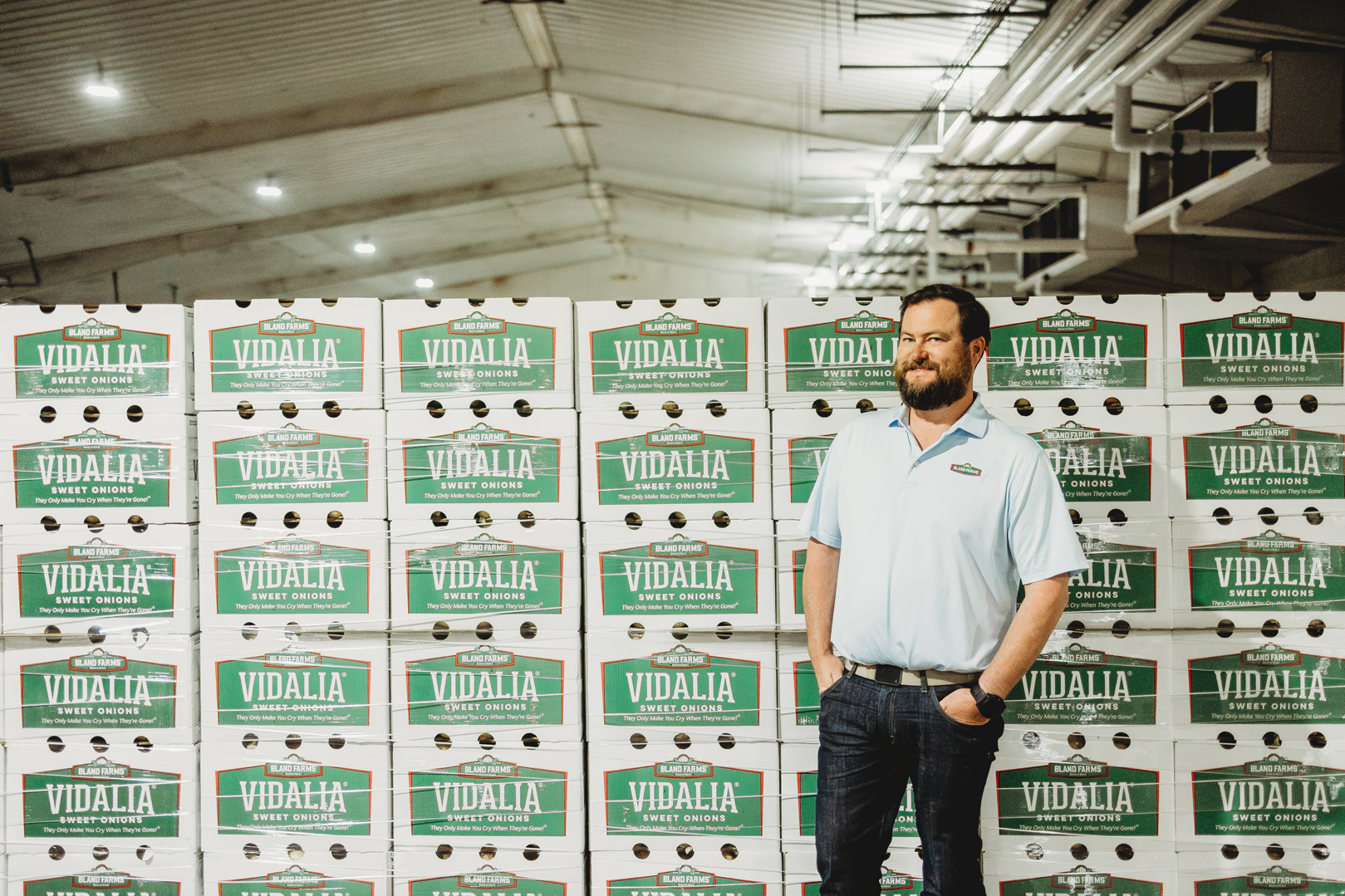
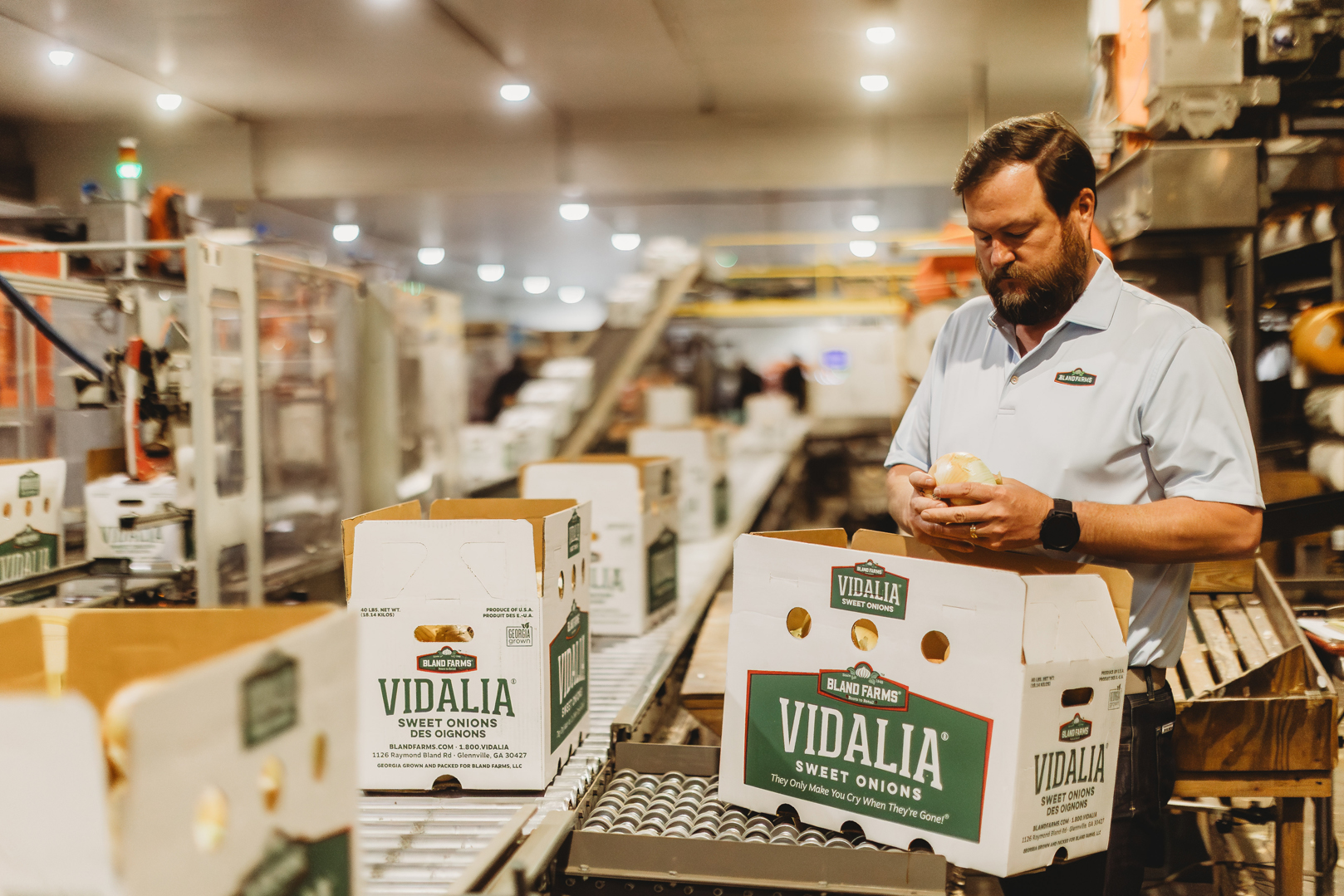
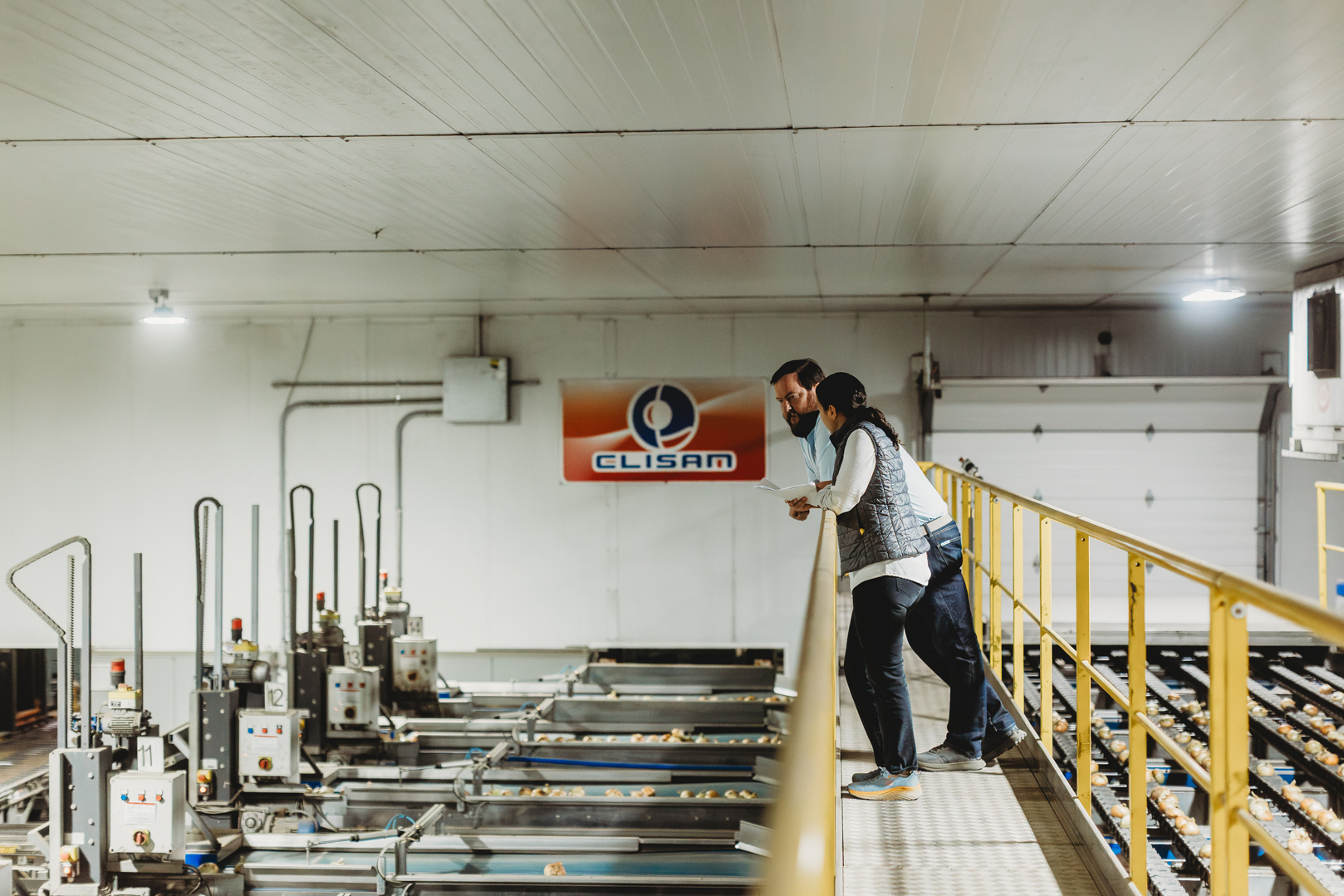
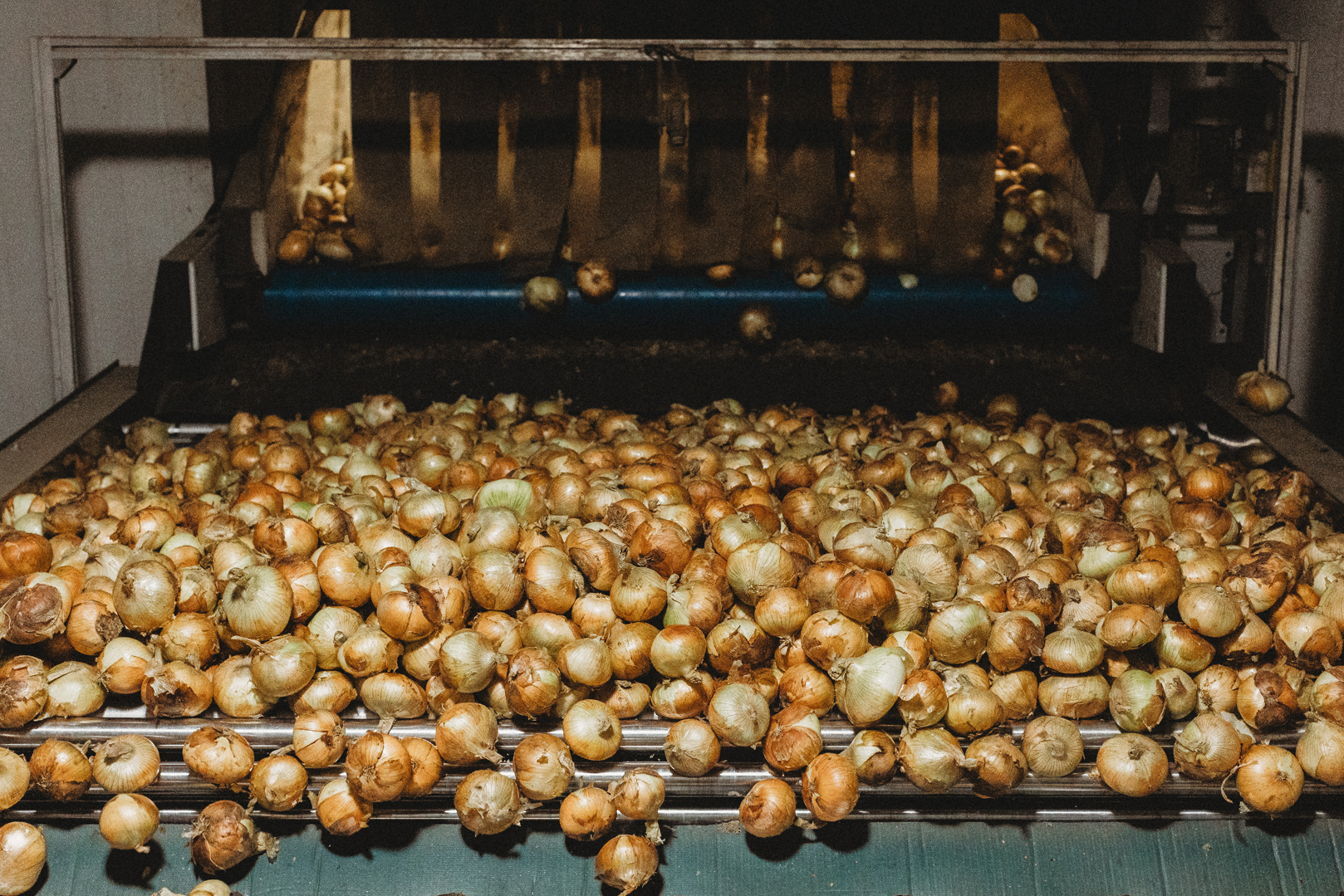
GLENNVILLE, GA - Timing is everything in fresh produce, and for a Vidalia Sweet Onion, that clock starts ticking the second it leaves the ground. Bland Farms is taking a serious swing at that ticking clock with refrigeration technology designed to give the grower greater control over quality, consistency, and shelf life.
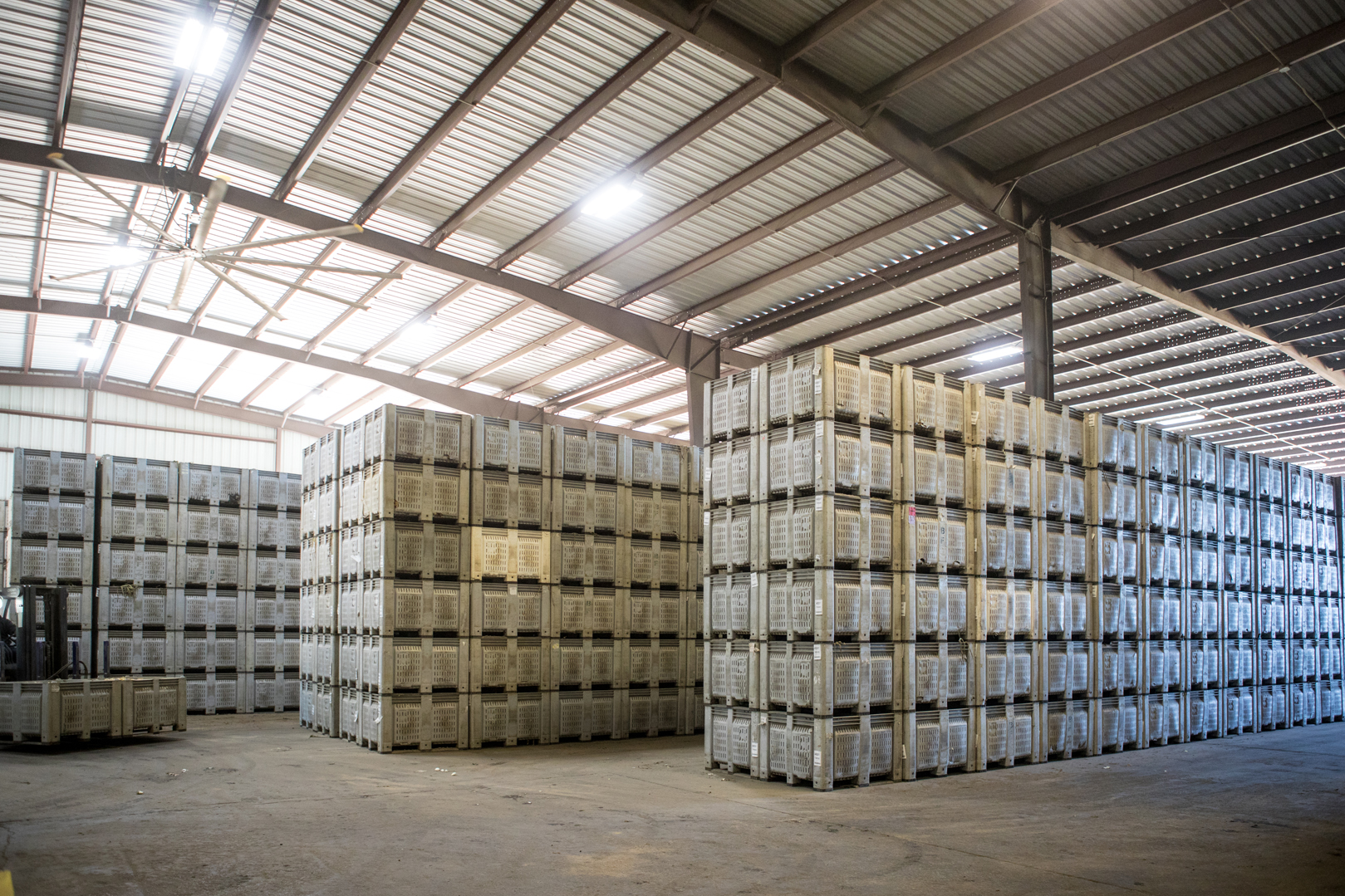
The company is investing in its refrigeration and storage infrastructure, including a Vidalia facility that will bring its total annual storage capacity to approximately 1.5 million boxes.

And the real magic is in what happens once those onions come through the door. “The biggest change is that we can now dry and cool an onion in the same room without moving it," said Troy Bland, CEO of Bland Farms.
The system uses secondary cooling with glycol running through hot and cold loops at approximately 120 and 28 degrees, respectively, providing a broad temperature range alongside greater control over humidity.

During the process, onions are held at approximately 90 degrees for 24 hours to control Botrytis pathogens before the race begins to bring them down to 34 degrees for storage.
That race used to involve a lot more legwork. Traditionally, onions would move from a drying room into a separate cold room, creating another round of handling, and another chance for the crop to get jostled or damaged. Bland Farms’ hybrid rooms can handle both processes in one place.
The Race to Cool
Even more impressive is how much time that change cuts from the equation. “What once took roughly four weeks can now happen in seven to 10 days.”
For a crop that doesn’t exactly wait around for perfect conditions, shaving weeks off that process can make quite the difference. “Once you plow an onion up, the clock starts.”
That clock doesn’t stop for southeast Georgia weather, either.

“Our goal is to take as many variables out of the equation as possible between harvest and delivery. The sooner we can harvest an onion, properly cure it and get it into controlled storage, the more we can protect its quality and shelf life,” shared Troy.
The additional drying and cooling capacity gives Bland Farms more flexibility to shorten its harvest window, moving onions out of the field when conditions are right instead of asking Mother Nature for a favor.
And if anyone needed an example of just how quickly she can change her mind, the 2025 season delivered one. Bland Farms finished harvest by Mother’s Day weekend, and southeast Georgia received 11 inches of rain that weekend.
“That's a pretty good illustration of why timing matters," Troy said.

Cutting Weeks From the Clock
By increasing capacity, Bland Farms can move more onions out of the field at the right point, with the company pointing to better pack-out, greater consistency, and a more shelf-stable onion as the payoff for retail and foodservice partners.
But speed and storage aren’t the only pieces of the investment.
Bland Farms has also made a substantial shift in the efficiency of its refrigeration infrastructure. At the farm, 77 compressors have been replaced with three, while the Vidalia facility is moving from 30 compressors to four.
The system uses ammonia rather than older refrigerants being phased out, which the company reports runs approximately 30 percent more efficiently than a comparable Freon system. Bland Farms has also doubled its drying capacity while using less natural gas per room than before.
Those are some big changes happening in southeast Georgia, and Bland Farms sees the investment as proof that cutting-edge agricultural technology doesn’t have to come from somewhere else.

“It’s the most advanced refrigeration system in the industry, and it’s sitting in Georgia.” Troy's point is particularly important to the grower.
“That matters for how people think about Southeast agriculture. There's a perception that innovation happens somewhere else. We put millions into this facility because we believe the opposite. The work happening in this part of Georgia is as sophisticated as anything in the industry.”
For Troy, the investment ultimately comes back to controlling more of what happens between field and shelf. But its implications stretch beyond a faster trip into cold storage. “The bigger contribution is that it raises the bar for what's possible here.”
How’s that for raising the bar? ANUK will be watching as Bland Farms puts its investment to work and keeps those Vidalias racing against the clock.
Companies in this Story

Bland Farms
Headquartered in Glennville, Georgia, Bland Farms is the largest grower, packer, and shipper of sweet onions in the…