

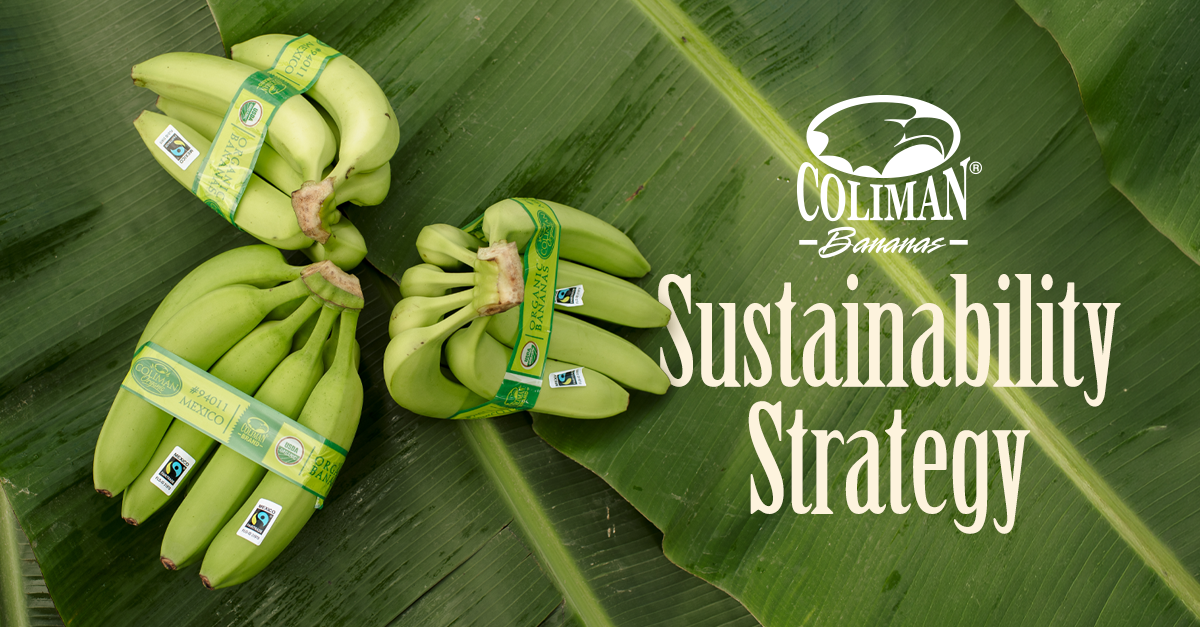
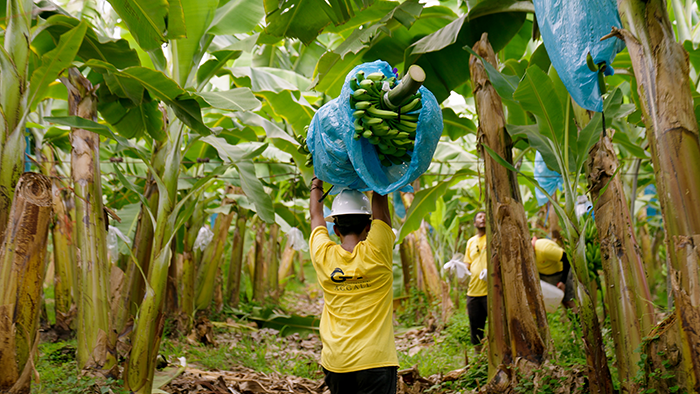
MEXICO - Organic certification may have helped raise the bar for responsible farming, but Coliman Bananas believes the industry can reach even higher. The supplier recently earned Regenerative Organic Certified (ROC) status, marking a significant step in its long-term sustainability strategy and its efforts to support evolving retailer and consumer expectations.
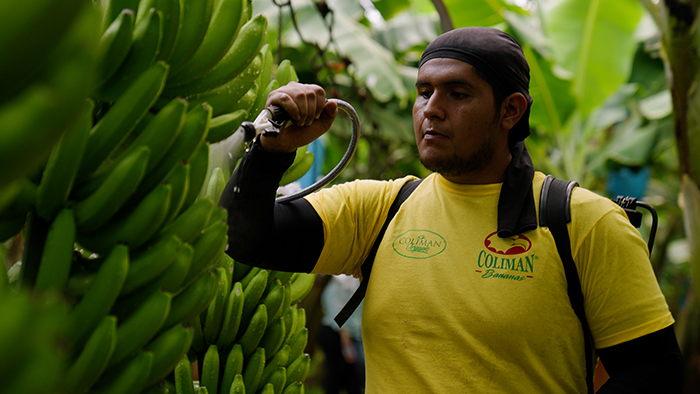
For Coliman Bananas, the certification represents more than another seal on its products. It recognizes the company’s continued focus on soil health, biodiversity, responsible agricultural practices, employee well-being, and the communities connected to its farms.
“ROC represents much more than an additional certification,” shared Jorge Ángel Aguilar Gallegos, CEO of Coliman Bananas. “It is the result of a long-term commitment to continuously improving the way we produce bananas.”

The achievement also brings regenerative agriculture into a commercial-scale banana operation, demonstrating how responsible farming practices can be implemented while maintaining the quality, consistency, and reliable supply retailers require.
Coliman Bananas views regenerative agriculture as the next step in the industry’s sustainability journey. While organic production established stronger agricultural standards, regenerative practices focus on restoring and improving the natural systems that make farming possible.
“Consumers and retailers are increasingly looking beyond the traditional definition of organic,” Jorge explained. “They want greater transparency about where food comes from, how it is produced, and what impact its production has on people and the environment.”

To meet those expectations, Coliman Bananas is investing in certifications, practices, and processes that allow the company to measure and continuously improve its environmental and social performance. At the same time, it remains focused on the everyday needs of its customers, including food safety, traceability, dependable supply, consistent quality, and strong execution from the farm to the retail shelf.
That balance plays an important role in the supplier’s retail partnerships. Coliman Bananas approaches its customers as long-term partners and works closely with them on packaging, supply planning, product programs, and quality requirements.
ROC certification also gives retailers a credible story to share with shoppers who want to understand the people and practices behind their purchases.
“Our objective is to provide not only a banana, but a product with a clear and credible story behind it—from the farm and the people who grow it to the environmental practices that support its production,” Jorge said.

Coliman Bananas combines deep agricultural roots in Mexico with experience serving customers throughout North America, Asia, and other international markets. That global reach has given the company insight into a wide range of retail requirements and consumer preferences.
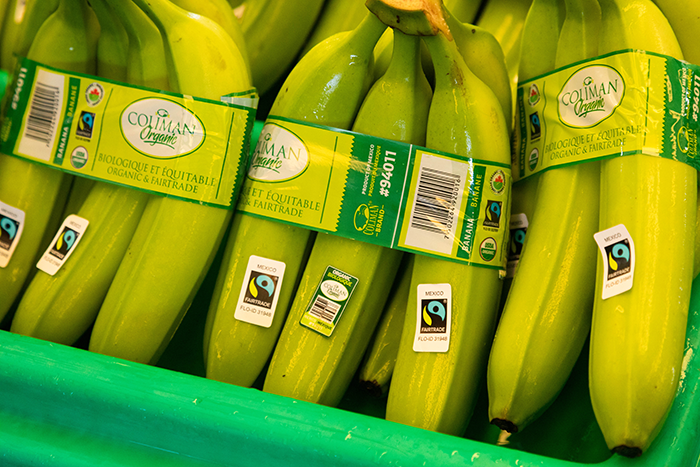
Its work in organic agriculture, Fairtrade, social responsibility, and now regenerative agriculture reflects the belief that commercial success and responsible production should grow together.
Looking forward, Coliman Bananas plans to expand its regenerative practices, strengthen traceability and transparency, and develop programs that address the changing needs of retailers and consumers. As part of its strategy to strengthen its organic and ROC offerings, the company is also developing these initiatives in Ecuador. This work will complement production in Mexico, expand customers’ sourcing options, and support a consistent fruit supply throughout the year.
“Ultimately, our goal is simple: to grow a better banana business for the long term—one that creates value for our customers, our consumers, our people and the communities and ecosystems where we operate,” Jorge concluded.
Stay tuned to ANUK as this story, and others, continue to grow.