

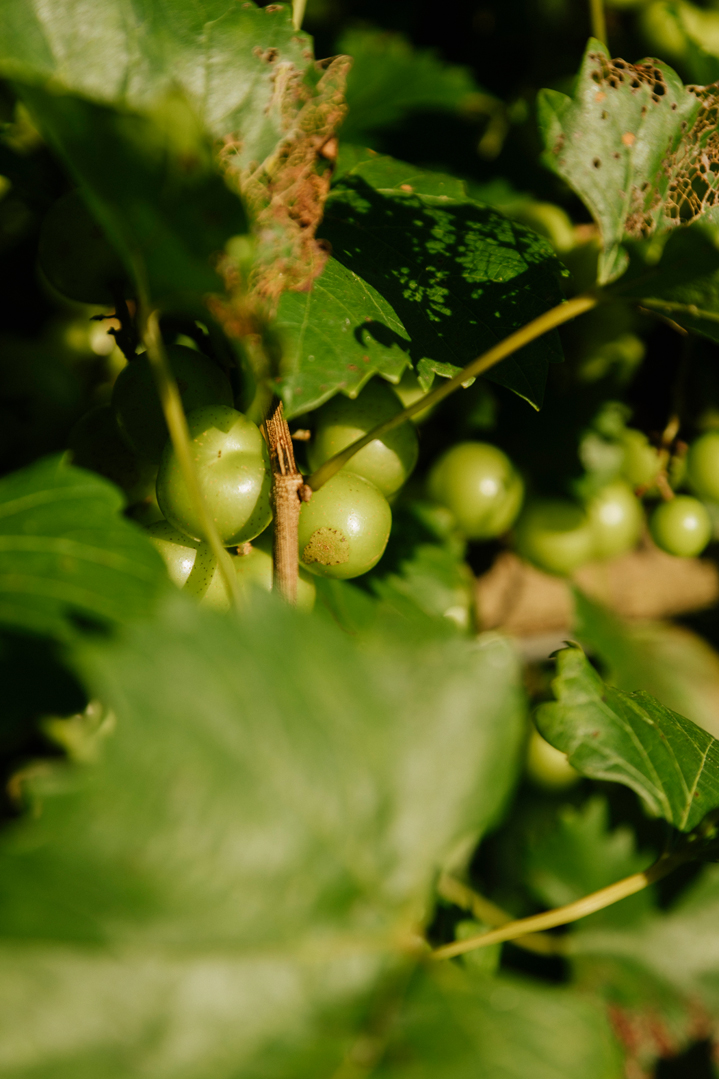
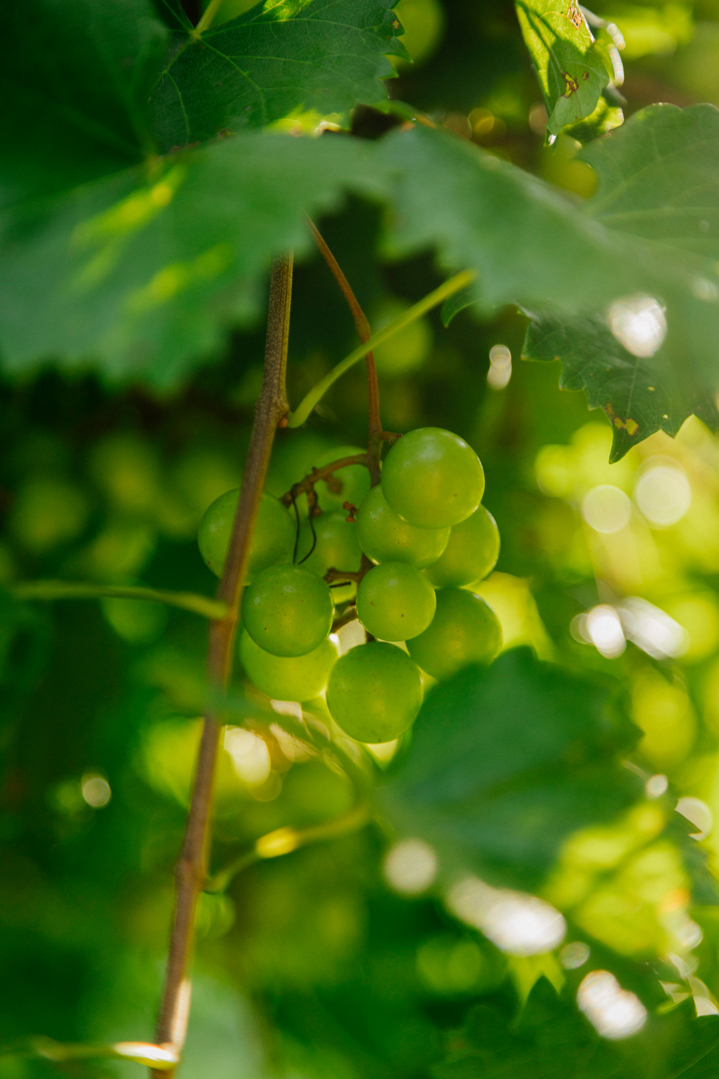



DURHAM, NC - Muscadine grape season is underway, and Happy Dirt is seeing strong quality and availability as the distinctive Southern fruit makes its annual late-summer appearance. The company’s muscadine season began on schedule in early August, with dry weather contributing to favorable fruit quality and additional acreage coming into production this year.

“Our muscadines started right on time this year in early August! Quality has been great since many fruits actually like the drier weather,” Hannah Taylor, Purchasing Manager at Happy Dirt, shared. “Availability has been strong as our farms have some new fields of vines coming on this year. We also have Razzmatazz grapes available earlier than usual this year!”
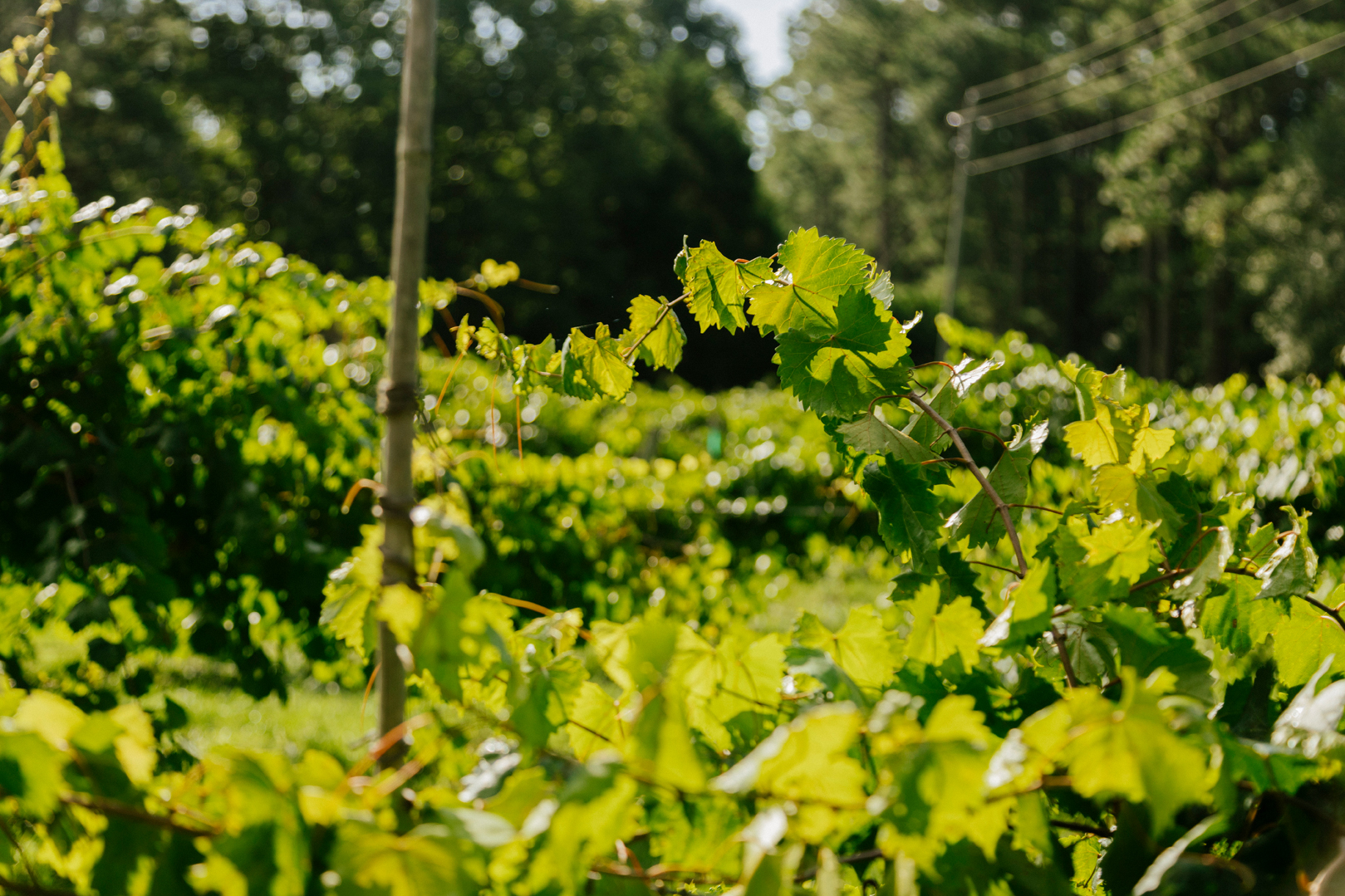
Happy Dirt works with two farmer-partners in Eastern North Carolina to grow its muscadines, positioning the company for solid volume throughout the season. Those partnerships also bring generations of growing knowledge to the crop.

“One of our growers just outside Raleigh learned the trade from his grandparents on the same land he farms today,” Taylor Meadows, Marketing Manager at Happy Dirt, said. “He keeps living roots in the ground year-round and the soil covered, and he has seen less pest pressure and higher Brix in his grapes each year.”
A Taste of Muscadine Season
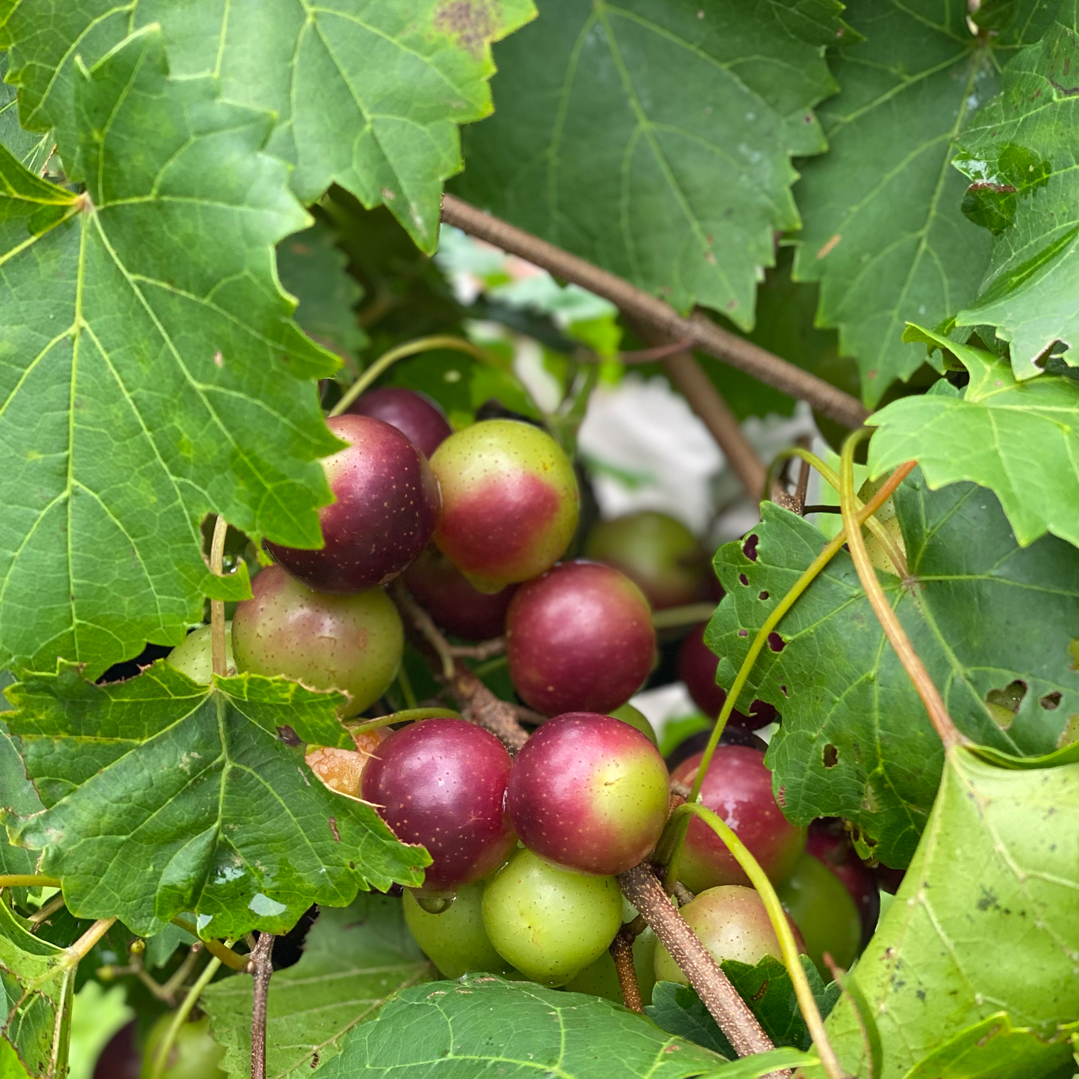
For shoppers accustomed to traditional table grapes, muscadines offer a decidedly different eating experience. The grapes are generally harvested individually rather than in bunches and feature a thick, snappy skin surrounding a soft, juicy interior.
“Muscadines are usually harvested as individual grapes (like blueberries) rather than harvested on the bunch, so they are easy to just pop in your mouth!” Taylor explained. “They also have a unique mouthfeel and texture, with a snappy thick skin and soft, juicy interior. Just watch out for the seeds! Some people spit them out, some people just eat it all! (I'm one of those people).”

Flavor is another point of distinction, with the fruit delivering a combination of tartness and sweetness that lends itself to uses ranging from fresh snacking to baked goods and smoothies. Taylor also pointed to muscadines as an addition to charcuterie boards.
Meadows is similarly enthusiastic about eating the whole fruit.
“I eat the entire grape – skin, pulp, and seeds. I will eat an entire clamshell of muscadines while sitting in traffic on my way home from work,” Meadows shared. “The pulp of the muscadine is very sweet, and the skin is more tart, so the skin helps to balance out the sweetness of the pulp. I always say it’s like eating a sour patch kid. One of my former marketing interns said muscadines reminded him of Pop Rocks when he tried them for the first time.”
The fruit can also shine beyond fresh applications. Meadows recalled tasting unsweetened muscadine juice produced by one of Happy Dirt’s farmer-partners outside Raleigh.
“Muscadine grape juice is probably the best grape juice I’ve tasted,” Meadows said. “Our farmer-partner outside of Raleigh let me taste some of the juice he saved from the previous year, and I almost started crying because it was so good. He didn’t add any sugar to the juice.”

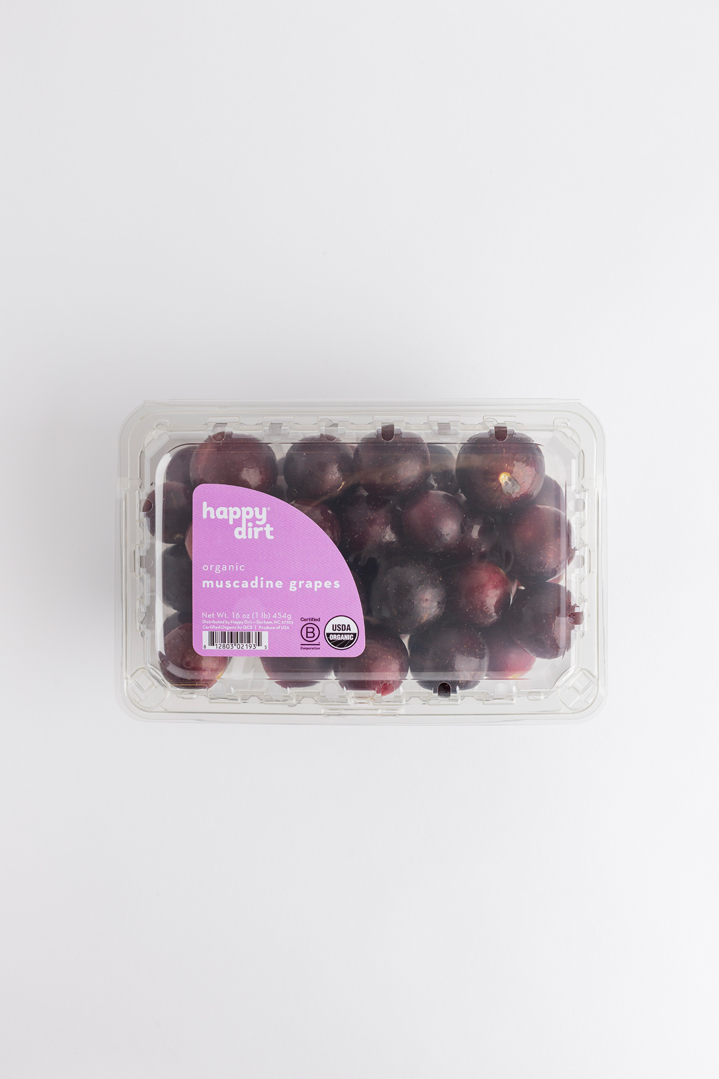
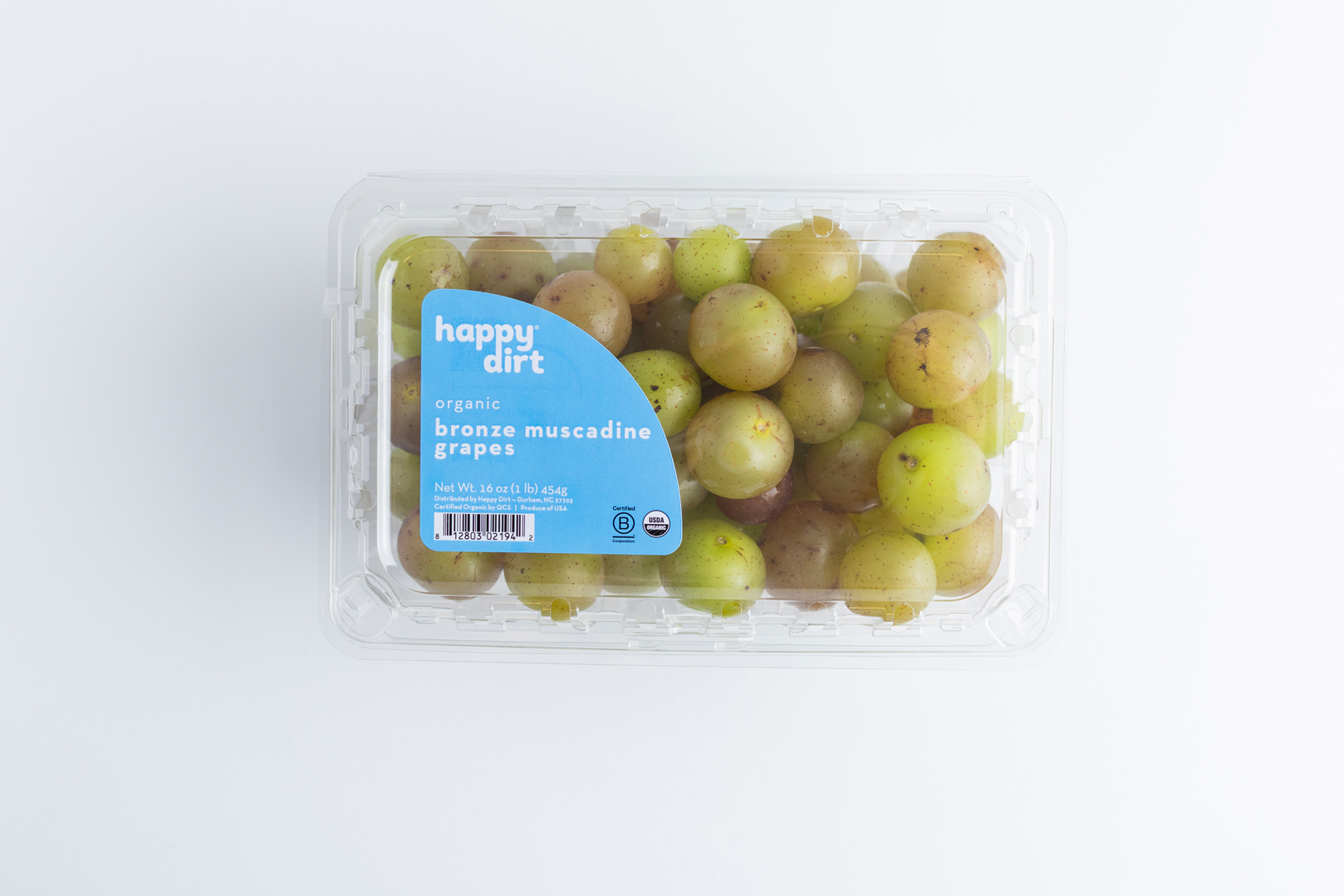
Happy Dirt’s farmer-partners grow both bronze and black muscadines, giving shoppers two distinct options. Meadows described bronze muscadines as having a classic, sweet, Scuppernong-style profile, while black muscadines deliver a deeper color and bolder flavor.
“One thing to know about the bronze muscadines is that the skin won’t look as ‘perfect’ as the skin of black muscadines. It’s not a quality issue. It’s just how nature intended for their skin to look,” Meadows noted. “I will eat any muscadine grape that you set in front of me, but I am a sucker for the bronze muscadine. The flavor outweighs the look of the skin.”
Muscadines Make Their Move
Interest in the category is also reaching beyond its traditional Southern audience. Happy Dirt is seeing greater attention from customers in the Northeast, particularly specialty and Asian grocery stores, as well as growing interest in seedless muscadine varieties.
“They are just a really fun and unique item, and they only last a short time, about 6-8 weeks, so it's a great seasonal/back to school item, and a sign that cooler weather is to come!” Taylor said.
Taylor also pointed to growing awareness of muscadines’ nutritional attributes as another factor drawing attention to the fruit.

“The health benefits of muscadines have also piqued consumers’ interest. They have more antioxidants than blueberries,” Taylor said. “They have been the subject of a Wake Forest Medical Center study on health benefits, specifically in regard to cancer.”
With strong availability, favorable quality, and a limited seasonal window, Happy Dirt’s 2026 muscadine crop is giving the trade plenty to sink its teeth into before the season wraps.
Stick with AndNowUKnow as we keep you plugged into the people and trends shaping fresh produce.