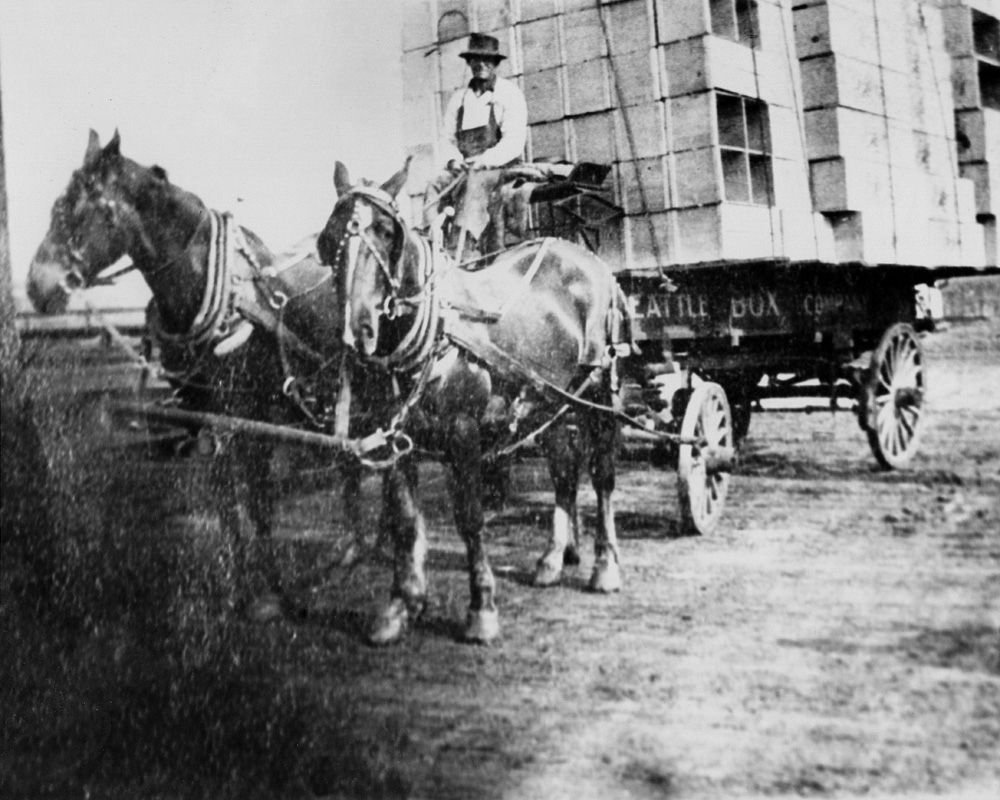

SEATTLE, WA - I was wandering the Seattle Underground when I learned that the city’s first metropolitan area was almost completely leveled by fire in 1889. A story below: the streets and buildings of that chapter still stand, but above was the start of many new stories. For Erika Frayser and her family, it was the start of a business that has shaped and reshaped itself with the times.
Introducing me to Seattle-Tacoma Box Company, Erika tells a tale of flexibility, ingenuity, and adaptability. Today, she points to educating the consumer as the gateway to return on strategic sustainability.

“Understanding the value associated with the PP carton allows end users to glean a rebate from recycling the product. These cartons are in a large percentage of all grocery stores, distributors, and repackers across America, yet oftentimes buyers aren't aware of the cartons within the system,” she tells me from the Department of Operational Excellence. “It’s important for the produce department and those on the distribution end to have access to this information.”
As such, Erika shares that sharing resources and helping retailers and boots on the ground serving the end consumer is a key priority to closing the loop on recyclable packs falling into the trash.

“With a growing awareness by our customer base, we have been able to make introductions and have educational discussions with many of the end users that process these cartons through their system. Once we are in contact, we share an evaluation tool we built that is based on individual commodities and how many bales a given location would generate per month based on purchase volume. This is an eye-opening tool for many end users,” Erika explains. “We aren't simply claiming to have a recyclable product; we have done the work to establish a solution. We have a viable and growing recycling program that supports the entities within the supply chain with their circular goals.”
Erika is the latest generation of a family that has built a long-standing legacy on answering demand and closing gaps, first locally, then regionally, and now nationally. In discussing the journey to today’s sustainable offerings, she observes the necessary cycle to ensure the strength of the system.

“Sustainability takes the entire supply chain coming together towards a common goal of waste reduction. All cogs of the wheel need to be aware of their role and how to properly handle the product that they are processing. This product was built on providing a sustainable solution for wax corrugated cartons, while building the recycling program to support the product continues with the theme of solving customer challenges,” Erika concludes.
From a single Seattle warehouse to a national recycling program, the Nist family's answer to closing gaps has only strengthened with each generation. As we watch for the next exciting step, continue to follow AndNowUKnow.