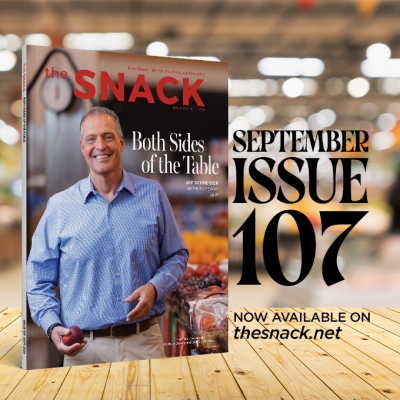




IDAHO FALLS, ID - I've sat across the table from a lot of retail buyers over the years, and I can tell you that the suppliers who struggle in category reviews almost never have a product problem.
They have a story problem.
They walk in loaded with data. They walk out empty-handed. It’s not because their numbers were wrong. Rather, their numbers didn't mean anything to the person sitting across from them.
That's the thing nobody talks about. A category review isn't a presentation. It’s not suppliers defending shelf space and buyers deciding who gets cut. It's a conversation. Or at least, it should be.

The best reviews I've seen involve two sides who set their own agendas aside, and they genuinely ask: what does our shopper actually need, and are we delivering it?
That kind of conversation can only happen when suppliers bring something worth talking about.
Start with the problem, not the pitch
Most category reviews are built backwards. The supplier pulls the same data they always do. They build the same deck they always do. They find the numbers that make them look good, and they build a story around those numbers. I get it. Nobody wants to walk into a room highlighting their weak spots, but buyers see through that immediately.
The suppliers who earn credibility walk in with a diagnosis, not a defense. They've looked at where volume is slipping, where shopper behavior is shifting, and they have a point of view on why. That's not spin—that's insight. And it usually means the difference between a buyer leaning forward in interest and a buyer checking their phone.

Start by defining the problem you're solving for the retailer, or better yet, for their consumer, not for yourself. Then pull the data that helps to answer that problem.
Your data needs to tell one honest story.
I see a lot of presentations where the numbers don't agree. POS data doesn't reconcile with syndicated data. Velocity claims don't account for out-of-stocks or shrink. A consumer survey points one direction; the scan data points another. Nobody says anything, but the buyer notices.
When data doesn't hang together, the question changes from "what does this mean for my category?" to "can I trust anything in this deck?" That's very difficult to recover from.
Clean, integrated data isn't just about accuracy. It's about credibility. If something doesn't reconcile, address it directly. Buyers respect intellectual honesty far more than a tidy presentation that doesn't hold up under scrutiny. Due to the nature of the industry, the data is inherently “squishy.” It isn’t always going to jive between sources. Don’t hide that fact. Embrace it and work through it. That’s what we do with our clients every day.

Numbers tell buyers what happened. Context tells them what to do.
This is where most presentations fall short. A supplier can show strong national growth numbers, and a buyer in the Southeast—one with a completely different shopper base, price sensitivity profile and competitive set—has no idea what to do with that information.
Suppliers who win the conversation have done the translation work. They understand what's driving purchase decisions in that retailer's stores. They know how the category norms compare to what's actually happening in that specific chain. That level of understanding doesn't come from a one-time data pull. It comes from consistent, disciplined attention to a category over time.
What a real category conversation looks like:
When both sides show up prepared to put their own bias aside, something useful happens. Instead of suppliers protecting SKUs and buyers managing space, they find out what the shopper is missing. They spot the promotion that looked good on paper and fell flat in the aisle. They make better decisions about assortment, pricing and product placement because you're working from the same honest picture.

That's the goal: collaboration between the supplier and the retailer, while keeping the consumer—the person who matters most—top of mind. When that happens, the retailer succeeds, the supplier moves more product, and the consumer is satisfied. It’s the win-win scenario that we strive for every day.
Suppliers who figure that out won’t just win the review, they’ll be the one who buyers call before the review even starts.
Companies in this Story

Category Partners LLC
In 2008, Category Partners was created for this very reason as a joint venture between two large grower/shippers, with…