Email Vertical


OXNARD, CA - Westfalia Fruit, a global leader in the avocado industry, has launched an updated global Sustainability Strategy built around four priorities: efficient water use, carbon management, waste reduction, and biodiversity protection. The strategy is already visible across the business. The share of renewable electricity in the company’s operations has risen from 18% in 2021 to 58% in 2025, and the company is working with growers and other international fresh produce companies on water in Chile’s Aconcagua Valley.
Westfalia Fruit's story began in South Africa more than 77 years ago, founded on environmental and social principles rooted in the legacy of Dr Hans Merensky. Since then, the company has grown into one of the most diverse avocado growers in the world, farming across the Americas and Africa, with a long legacy of farming in harmony with nature that still shapes how it farms, researches and invests today.

The updated strategy reflects where Westfalia Fruit wants to go as a business. As the company sharpens its focus on avocados, it wants to lead on the issues that matter most for the future of the category, from water and climate to biodiversity, and give customers credible evidence of its progress. Developed with specialist support from NewForesight, the strategy is shaped by where the business has the greatest impact and by what customers, retailers and regulators expect. Each business unit has its own roadmap for water, carbon, waste and biodiversity, based on the risks and opportunities in its region, with carbon linked to the Group’s long-term target of Net Zero greenhouse gas emissions by 2049.
Renewable electricity
In 2025, Westfalia Fruit’s renewable electricity consumption reached 34,653 MWh, supported by both on-site solar generation and certified renewable electricity purchased through instruments such as I-RECs and Guarantees of Origin. The share of renewable electricity across our operations increased from 18% in 2021 to 58% in 2025. This transition has contributed to a ~50% reduction in Scope 2 emissions over the same period.
Several packhouses across the UK, Peru, Chile, the US and France now operate on 100% renewable electricity, demonstrating the progress made in transitioning our operations away from non-renewable electricity sources.
Carbon in trees and soil
On its farms, Westfalia Fruit has partnered with One Carbon World to measure how much carbon is stored in its trees and soil. Baselines have been established on eight farms in Chile, Peru and South Africa, giving the company a clearer picture of the role its orchards play in its overall carbon balance.

Water in the Aconcagua Valley
In Chile’s Aconcagua Valley, one of the country’s important fruit-growing regions, Westfalia Fruit is a partner in the WAVE Aconcagua Collective Action Project. Since 2021, the project has brought together 15 producers, international fresh produce companies, government and technical partners to tackle risks that no single farm can solve on its own, such as water scarcity, soil health and biodiversity loss. The project has developed farm-level roadmaps and joined the Mesa Hídrica del Valle del Aconcagua, the main forum for water management in the valley.

“Sustainability has been part of how we farm from the very beginning,” says Johnathan Sutton, Chief R&D and Sustainability Officer at Westfalia Fruit, in the recent release. “What is different now is that we measure it site by site and act on what we find. Going from 18% to 58% of renewable electricity shows what that approach can do. We want to bring the same discipline to water, carbon, waste and biodiversity, working closely with growers, customers and partners as we go.”
The same roadmaps cover waste and biodiversity. In South Africa, for example, customer fulfilment centres in Midrand are moving to 100% recyclable packaging for avocado and mango products by the end of 2026. On biodiversity, reforestation and pollination work in Peru is helping to restore natural ecosystems in the regions where the company grows.
For customers, the strategy means clearer information on how their fruit is produced: what has already been achieved, what is still being built, and where working together can speed up progress. The same long-term thinking shapes how Westfalia Fruit works with growers and their communities, from its own orchards to partnerships with smallholder growers.
IRVINE, CA - Western Growers is pleased to announce the results of the 2027-2028 Western Growers Board of Directors elections. The following members have been elected by the membership to serve a two-year term starting in November 2026 at the 100th Western Growers Annual Meeting:

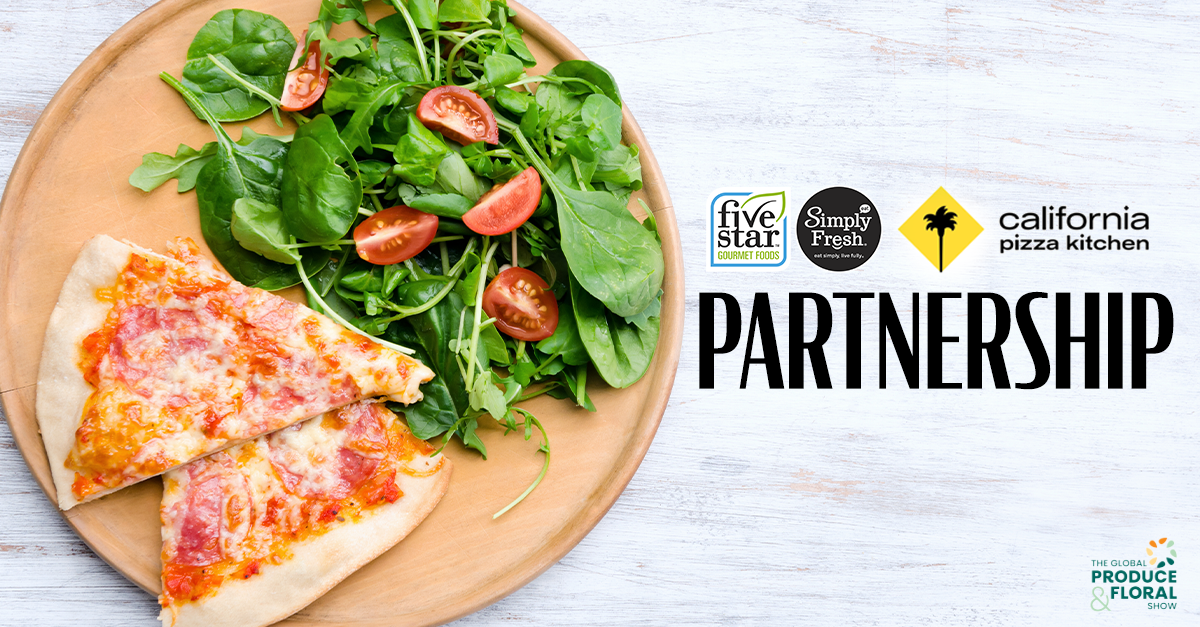
COSTA MESA & LOS ANGELES, CA - California Pizza Kitchen (CPK), the iconic restaurant brand that revolutionized pizza, in partnership with FiveStar Gourmet Foods, North America’s largest producer of fresh single-serve foods, today announced the launch of a premium collection of CPK-inspired salad kits and single-serve salads. The first CPK fresh retail products are expected to launch nationwide in 2027, with broader distribution and additional innovation planned as the partnership grows.
The collaboration taps CPK’s long-standing legacy of culinary innovation in pizzas, pastas, and salads along with FiveStar’s expertise in premium fresh food to upgrade grocery's refrigerated salads section, giving shoppers high-quality, exciting, and affordable options in fresh foods.
“Salads have been a cornerstone of CPK since the beginning, from our BBQ Chicken Chopped to our Thai Crunch,” said Michael Beacham, President of California Pizza Kitchen Global. “Bringing that creativity, bold flavor, and California approach to the fresh aisle is a natural next step, and FiveStar Gourmet Foods is the right partner to help us deliver the quality our guests expect, wherever they find us.”
Restaurant Credibility Meets Retail Scale
FiveStar Gourmet Foods, creator of Simply Fresh, brings nearly three decades of fresh-food expertise, national manufacturing capabilities, and large-scale retail execution to the partnership.

“This category doesn’t need another ordinary salad,” said Tal Shoshan, Founder and CEO of FiveStar Gourmet Foods. “Retailers need products that give consumers a reason to come back with excitement and confidence. CPK brings something very different: a loved restaurant brand known for delicious, creative food.”
"We started with the salads our guests already love and worked with FiveStar to translate them for the fresh aisle," said Paul Pszybylski, Executive Chef and Vice President of Culinary Innovation at California Pizza Kitchen. "The goal is simple: when you open one at home, it should taste like something you'd order at our table."
The new CPK collection will feature restaurant-inspired recipes, elevated ingredients, and bold California flavors designed to differentiate at shelf and rebuild excitement in the fresh salad category. Products will be produced by FiveStar and feature the CPK brand alongside “Crafted by Simply Fresh.”

Beyond Salads: A Platform for Growth
While launching with salads, the partnership is designed for expansion. CPK and FiveStar plan to explore additional opportunities across refrigerated prepared foods, dressings, and other categories as they build a broader retail platform together.
The strategy complements CPK’s plan announced earlier this year to expand its frozen offerings beyond signature pizzas and into appetizers and entrees inspired by its restaurant menu. The brand is also expanding into non-traditional channels through the deployment of up to 1,000 automated retail kiosks nationwide over the next three years, expanding the brand into airports, universities, hospitals, and other high-traffic locations.
“When we began looking at the right strategic partner for CPK, FiveStar stood out for reasons that went well beyond manufacturing,” said Cory M. Baker, Founder and Managing Partner of Consortium Brand Partners. “Tal has built an organization with the infrastructure of a major national prepared foods company while retaining the speed, creativity, and entrepreneurial mindset that built the business. That combination is rare, and it gives us tremendous confidence in what we can build together.”

MIAMI, FL - After nearly two decades of helping food companies stand out in competitive markets, Moxxy is putting its own brand in the spotlight. The agency has unveiled a refreshed visual identity and website that better reflect its industry expertise, strategic approach, and creative capabilities across fresh and perishable foods, beverages, and other agriculture-related categories.
Founded in California's Salinas Valley in 2007, Moxxy built its reputation working with growers, shippers, and food brands navigating the unique challenges of fresh produce. Over the years, its portfolio has grown to encompass dairy, deli, meat and seafood, frozen foods, beverages, wine, and other food categories, while maintaining the deep produce industry connections and expertise that established its reputation.

“We've spent nearly 20 years helping clients build stronger brands, sharpen their positioning, and stand out in crowded markets. It was time to give our own brand that same attention,” said Karen Nardozza, founder and CEO of Moxxy. “We've evolved considerably over the years, and our new identity better reflects who we are today, the work we're doing, and the value we bring to our clients.”
Industry Expertise Makes a Difference
Moxxy's specialization is rooted in the belief that successful food marketing requires more than creative talent. It demands a practical understanding of how the industry operates, what influences purchasing decisions, and the challenges companies face bringing products to market.
For fresh and perishable foods, those realities include limited shelf space, short shelf lives, complex supply chains, thin margins, and retail buyers with little time or incentive to consider another supplier. Moxxy brings that industry knowledge to its work, helping clients build meaningful differentiation and communicate value to retail buyers, foodservice operators, and consumers.

“You shouldn't have to spend months educating your marketing agency about your business,” Nardozza added. “We understand the challenges of fresh because we've worked in this industry for decades. That experience lets us get to the heart of a client's business challenges faster and develop creative solutions grounded in strategy and the realities of working with perishable products.”
The nature of fresh also demands a different approach to planning and execution. Harvest windows shift, product availability changes, and retail opportunities don't always arrive on schedule. Moxxy's industry experience helps the team anticipate challenges, adapt with confidence, and keep clients moving forward without losing sight of the bigger strategy.
A Fresh Perspective on Moxxy
The redesigned website showcases Moxxy's extensive portfolio of branding, packaging, go-to-market strategy, and integrated marketing work. Through a collection of client success stories, visitors can explore how the agency has helped companies introduce products, reposition brands, strengthen packaging, support sales teams, and compete more effectively in retail and foodservice markets.
The new brand identity also reflects the personality behind the Moxxy name: bold thinking, creative confidence, and a willingness to challenge conventional approaches when a better solution is possible.
With a team serving clients throughout North America and beyond, Moxxy continues to build on its agricultural heritage while helping a diverse range of food and beverage businesses navigate changing markets and seize opportunities for growth.
Visit www.getmoxxy.com to explore the agency's new website, capabilities, and client work.
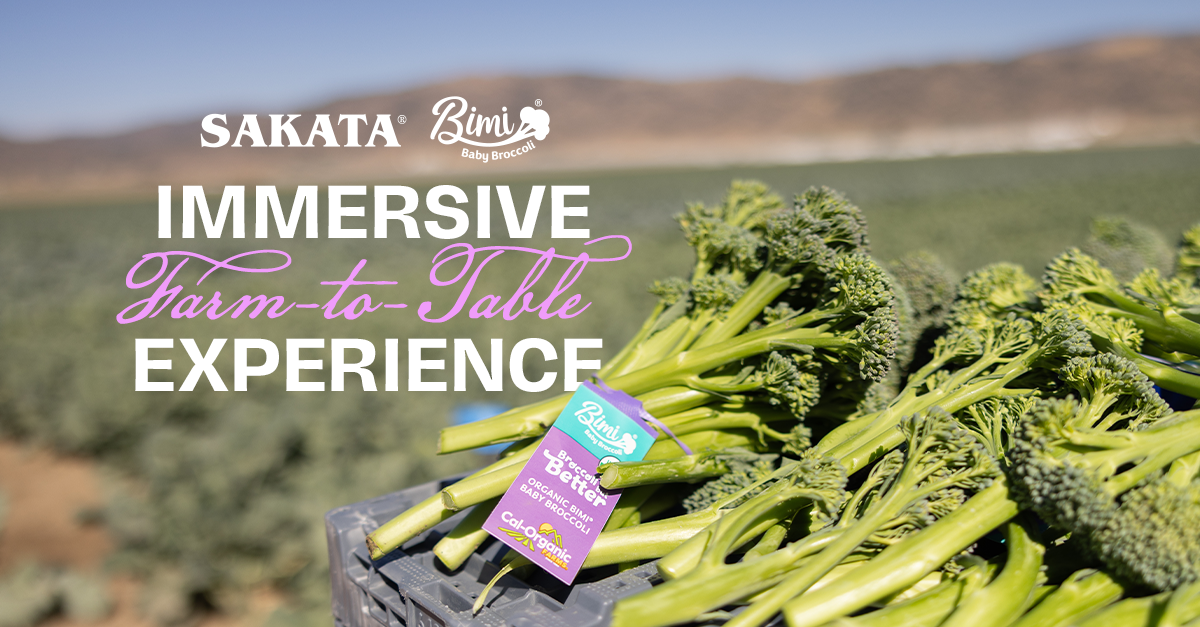
TEHACHAPI, CA - There have been countless times when I picked up an item in the grocery store, only to realize once I got home that my initial curiosity about the product was sparked long before I even entered the door. Today’s shopping lists are often a result of the inspiration consumers are coming across on their social media feeds, which is why Sakata Seed America’s latest strategy is sure to send more shoppers in search of Bimi® Baby Broccoli.
The brand recently welcomed a group of influential culinary, agricultural, and lifestyle content creators to California's Central Valley for an immersive farm-to-table experience showcasing the people, farming practices, and partnerships behind the premium vegetable brand. Attendees included James Beard Award-nominated Chicago-based restaurateur and Bimi® Brand Ambassador Chef Thai Dang (@thai_dang_); bestselling author and culinary creator Caroline Chambers (@carochambers); agricultural advocate Kait Thornton (@applegirlkait); and lifestyle and food writer Zoë Barrie Soderstrom (@itszoebarrie).

“The event began with a welcome reception that brought together creators, growers, and brand representatives to foster conversation and relationship building ahead of the field tour,” Julie McElhaney, Bimi® Food Chain Manager, reflects. “The following day, guests traveled to Tehachapi, California, where Bimi® is grown by Cal-Organic Farms®, a licensed grower. During the visit, participants met with farm managers and company leaders to learn about Cal-Organic's history, the partnership behind the Bimi® brand, and the process of growing this proprietary variety.”
This trip to Cal-Organic Farms® allowed the attendees to gain firsthand insight into the cultivation of Bimi® Baby Broccoli and the growing conditions that contribute to its distinctive flavor, sweetness, and versatility. Guests also had the opportunity to harvest Bimi® themselves and learn directly from members of the production team.

Following the field experience, attendees gathered for lunch at the Cal-Organic produce barn, which was transformed into an immersive celebration of the Bimi® brand. As the company shared in a recent event recap, the space featured imagery highlighting both agriculture and culinary creativity, including selected works from the World Food Photography Awards, a global competition sponsored by the Bimi® brand globally. Oh, and did we mention a special appearance by the Bimi® mascot?!
“The culinary program continued with a menu centered on Bimi®, featuring dishes prepared that showcased the vegetable's versatility across a range of applications,” Julie explains. “Throughout the day, attendees engaged with growers, industry leaders, and fellow content creators while learning more about the brand's commitment to quality, transparency, and innovation.”

This fun, hands-on experience was designed to provide a deeper understanding of the agricultural expertise behind the product and to create meaningful connections among consumers, influencers, and the growers who produce it. The event showcased the journey from seed to plate, illustrating the care and innovation to make Bimi® truly "Broccoli, But Better®."
Consider your shoppers influenced!
UNITED STATES – The industry is at a crossroads. We have felt it for some time. But stack a year of soaring fuel on top of rising input costs, labor challenges, and unprecedented weather, and a delicate balance erodes into a critical one. Profits are down. Acreage is down across many categories. There are far fewer growers growing. That is what our industry friends are telling us as they face an uncertain future.
With diesel prices where they are and freight rates close behind, suppliers and growers are absorbing costs their contracts never anticipated, and the industry’s largest trade show is just days away. What will the topics of conversation be?
For the week of October 5th, on-highway diesel averaged $8.08 a gallon in California, up $3.11, or 63 percent, from a year ago, according to the U.S. Energy Information Administration (EIA). The West Coast averaged $7.23, up $2.73, or 61 percent. Diesel ran $6.49 in the Central Atlantic and $6.48 in New England. The national average sits at $6.20 a gallon, $2.49, or 67 percent, above where it stood a year ago. Regular gasoline averages $4.35 nationally, up $1.23, or 39 percent, from last year.

In California, where so much of the nation’s fresh product originates, AAA’s daily survey puts metro diesel averages at $8.80 in San Francisco and San Rafael as of Oct. 12, with growing regions close behind, including $8.73 in San Luis Obispo, $8.69 in Santa Cruz-Watsonville, and $8.55 in Salinas. AAA’s statewide average sits just shy of its record $8.44, set Sept. 22.
Shipping a truckload of produce from California, Oregon, or Washington to Connecticut now approaches $15,000, one supplier shared with me. A year ago, the same load ran $8,000–9,000.
A surcharge absorbed in the spring as a temporary shock has now become a norm, and every layer of the fresh produce industry should be advocating for a balance. For now, much of the cost sits on the supply side of a category that cannot raise its price on demand.

One supplier gave me an example, a real one, for wrapping my head around. Imagine signing a 12-month contract in September 2025; no one at that table could have planned for fuel at these prices, or for freight at these rates. The fix that supplier describes is not new: a fuel surcharge added to the invoice and indexed to diesel prices, as was standard practice years ago. Can it become the industry standard again?
That answer lives in the relationship. In partnership and coming together to contribute to the solution. No contract can read every tea leaf, and this year, few saw it coming.
The stakes are generational. Oregon once had more than 100 potato packing houses, that same supplier told me. Two remain. Several Northwest farming families have already accepted that the next generation will not farm. And that is not a possibility anyone takes lightly. Behind every shuttered packing house is a family that once expected the next generation to take the keys. Legacy is not a line item; it is central to our industry.

And the timing sharpens all of it. In a matter of days, buyers, growers, and suppliers will stand on the same show floor. There may be no better place to continue the conversation.
A crossroads is a choice. The industry can keep asking growers and suppliers to absorb what was never in the contract, or it can share the load or create a better solution. Either way, we need to ensure a road that leads to another harvest.
Sources
U.S. Energy Information Administration: Gasoline and Diesel Fuel Update
AAA: California Gas Prices
OXNARD, CA - Mission Produce, Inc., a world leader in sourcing, producing, and distributing fresh Hass avocados, today is hosting its 2026 Investor Day in New York City. Management is presenting the Company’s five-year growth strategy and its ambition to double sales and triple profit by 2035.
After more than four decades of building the global supply network, infrastructure, and customer capabilities behind its category leadership, Mission is entering a new chapter focused on generating more growth, earnings, and cash flow from its platform. The Company’s largest value-creation initiatives are already underway, including the integration of Calavo Growers, expansion of higher-margin Prepared Foods, and improved utilization of Mission’s asset base.
Management Comments

John Pawlowski, President and Chief Executive Officer of Mission, stated, “Mission was built to lead. Over more than 40 years, we built the modern avocado category and created a platform that would be difficult to replicate. Our next chapter is about fully leveraging that platform and compounding the value we deliver to shareholders by growing faster than our markets, expanding margins, converting more earnings into cash and deploying that cash with discipline.”
“Our growth opportunity is broad and compelling. U.S. avocado remains one of the most durable growth stories in food. International markets offer substantial consumption headroom. Prepared Foods extends our avocado leadership into a higher-margin, growing category, and mango gives us a capital-efficient path to develop the next fresh platform. With Calavo synergies and better utilization of the assets already in place, we believe Mission can become a larger, more productive and higher-return company.”
A Financial Framework Built to Compound
Mission’s five-year plan is built around four connected goals for long-term shareholder value creation:
Organic sales growth: Grow faster than the markets the Company serves, supporting mid-single-digit organic sales growth over the five-year period.
Margin expansion: Expand margins by approximately 300 basis points over five years through improved portfolio mix, Calavo synergies, SG&A leverage, and greater asset utilization.
Cash conversion: Convert more than 90% of Adjusted Net Income into free cash flow over time.
Disciplined capital allocation: Invest in the core business, reduce net leverage (total debt less cash) below 1.5 times Adjusted EBITDA, pursue disciplined M&A and execute opportunistic share repurchases.
Together, these initiatives are expected to support high-single-digit organic Adjusted EBITDA growth over the five-year period. Combined with disciplined M&A and opportunistic share repurchases, the framework is designed to support high-single-digit to double-digit annual shareholder returns over time.

Calavo Integration Progressing
Mission has pooled supply, closed the Temecula operation and established its future-state U.S. distribution footprint. The Company is now advancing network and systems transitions, and will be followed by the integration of remaining operations, including Mexico packing and Prepared Foods.
As announced in its fiscal third quarter 2026 earnings release, Mission increased its annualized synergy target from at least $25 million to more than $30 million. The Company expects a small contribution in the fourth quarter of fiscal 2026 and continues to target the full annualized run rate within 18 months of closing.
Disciplined Capital Allocation
Mission’s capital-allocation priorities are to invest in the core business, reduce net leverage below 1.5 times Adjusted EBITDA, pursue M&A where strategic fit and returns are compelling, and repurchase shares opportunistically. The Company currently has a $100 million share-repurchase authorization, which provides meaningful flexibility.
Bryan Giles, Chief Financial Officer of Mission, stated, “Mission is entering a financially compelling stage, with the majority of the heavy investment required to build our platform behind us and the Calavo acquisition adding scale, new capabilities and a meaningful synergy opportunity.”
“Our five-year framework is designed to grow earnings faster than sales and convert more of those earnings into cash. That should give us greater capacity to reduce leverage, fund high-return growth and return capital when it creates attractive value for shareholders.”
Fiscal 2026 Outlook Reaffirmed
Mission is reaffirming its previously provided outlook for the second half and fourth quarter of fiscal 2026:
Second-half fiscal 2026 Adjusted EBITDA of $84 million to $88 million, including fourth-quarter Adjusted EBITDA of $52 million to $55 million; and
Mission Peru exportable volume of 120 million to 130 million pounds in the second half, including 67 million to 77 million pounds in the fourth quarter.

Webcast Information
The 2026 Investor Day will be webcast live beginning at 10:00 a.m. ET today. The webcast, along with the presentation materials, will be accessible in the News & Events section of the Company’s investor relations website at https://investors.missionproduce.com. A replay will be available on the same site following the event.
See the full report here.
From field to storage...