Email Vertical

|
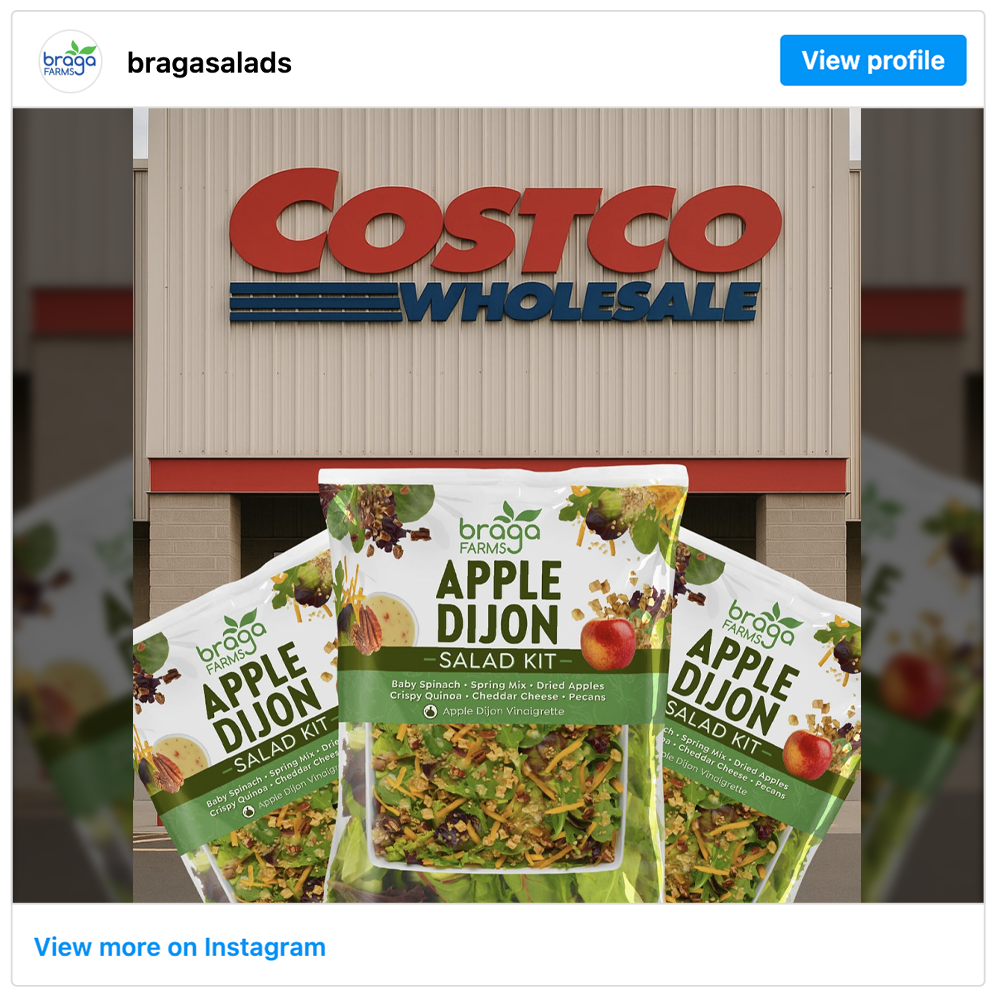
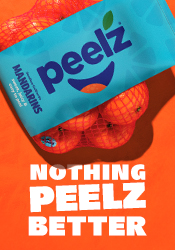
Picture perfect...
Consistency is key...
Worlds collide...

A unique way to educate consumers...

OSLO, NORWAY - EAT, a global non-profit dedicated to improving human and planetary health through food systems, and the Almond Board of California, supporting almond farmers dedicated to environmental stewardship, are delighted to announce a strategic partnership as part of the Stockholm Food Forum (October 3-4, 2025). United by a shared commitment to fostering sustainable food systems that prioritize health, environmental stewardship, and community well-being, the two organizations aim to advance innovative agricultural practices, promote nutritious food choices, and support global efforts to create a resilient and equitable future for both people and the planet.
The Forum, the leading science-based platform for accelerating sustainable, fair and healthy food systems, will host the launch event of the 2025 EAT-Lancet Commission report on October 3, an update to the 2019 study which defined targets for healthy and sustainable diets adaptable to local geographies, culinary traditions and personal preferences. The Planetary Health Diet recommends an average of 50g of nuts per day, compared to current global consumption levels of less than 2g grams per day. The 2019 EAT-Lancet Commission estimates that shifting from current diets to a Planetary Health Diet can prevent 11 million premature adult deaths per year and drive the transition toward a sustainable global food system that ensures healthy food for all within planetary boundaries.

California almonds are well-positioned to support this goal given the Almond Board of California’s decades of commitment to nutrition research, learnings and investments in growing in an environmentally responsible way.

“If we continue to eat and produce food like today, it’s projected that we will need the equivalent of three planet Earths to produce enough food to feed a growing population by 2050. Food systems transformation is urgent, and we need key actors committed to help find and scale solutions for a better food future. We value partners committed to exploring paths for a better food future,” said Tomas Alfred Røen, CEO of EAT. “We welcome the Almond Board of California’s commitment to help explore and scale sustainable production and consumption of nuts to support a healthy diet.”
Since 1973, the California almond industry has invested over $100 million in research to improve water efficiency, increase biodiversity, reduce waste and better utilize byproducts and advance the science on almond nutrition and health benefits.

“California’s almond industry is committed to responsible production and environmental stewardship, adhering to some of the most stringent environmental, food safety and worker safety guidelines in the world. Almonds are one of the healthiest, most researched foods, with over 200 peer-reviewed publications on their contribution to human health and wellbeing,” said Clarice Turner, president and CEO of the Almond Board of California. “Through this collaboration, we aim to scale solutions that help both people and the planet while balancing the needs of farmers, consumers, and communities, ensuring a thriving food landscape for generations to come.”
The Almond Board’s participation in the Forum is the first step in a longer-term partnership with EAT, which stems from both organizations’ shared ambition to accelerate a shift to healthier and more sustainable food choices. The Almond Board of California is the exclusive nut partner of the Stockholm Food Forum.
The Forum was attended by Almond Board President and CEO, Clarice Turner, who participated on a Thursday afternoon mainstage panel exploring how we transform food systems without converting more land. The Almond Board of California also hosted a dedicated side event on: “Scaling production within planetary boundaries to meet the shift to healthier diets: applying lessons from California’s almond industry for perennial crop producers and Mediterranean climate cropping systems.” The partnership with EAT will support the Almond Board and the California almond industry’s leadership in advancing responsible farming practices. Together, they will demonstrate how collaboration between science and agriculture can reshape how food is grown, processed, and consumed worldwide.

NEW ZEALAND - Zespri has won a significant legal victory in China, successfully defending the intellectual property rights of New Zealand kiwifruit growers.
The Wuhan Intermediate People’s Court in China has issued its judgement in Zespri’s plant variety rights (PVR) infringement case, filed in 2023, against two defendants involved in the unauthorised production, sale and marketing of Gold3 kiwifruit, finding that the primary defendant infringed Zespri’s IP rights through the unauthorised planting and sale of Gold3.
The infringement involved the unauthorised planting of over 200 hectares of Gold3 in Hubei Province, with fruit then sold online.

The court has ordered the defendant to remove the 260 Ha of infringing plant material and to pay compensation to Zespri of 5,246,200 Chinese Yuan, or NZD $1.28 million (damages of 5 million Chinese Yuan and expenses of 246,000 Chinese Yuan). The court found that the second defendant sold Gold3 fruit through an online store, but given the fruit originated from the primary defendant who Zespri had already filed action against, the court considered the PVR rights to be sufficiently protected through its finding against the primary defendant.

Zespri CEO Jason Te Brake says the outcome is a significant win for the New Zealand industry and its partners in China, and marks a major step in its efforts to protect the rights of New Zealand growers.
“This case demonstrates the increased protection for plant variety rights (PVRs) made possible by changes to China’s Seed Law in 2022 and the strong support of local authorities in safeguarding intellectual property rights.
“It also highlights the importance of intellectual property protection in horticulture, for local and foreign companies, and the role it plays in ensuring food safety for consumers.
“China is an important market for Zespri, and this positive outcome will support ongoing investment to deliver high-value varieties for consumers around the world.”
As Zespri looks to strengthen grower value, it will continue its efforts to work with the industry to find a constructive solution to the continuing changes seen in China associated with unauthorised Gold3 plantings.