
We're loving these colorful displays...
Behind the scenes of this bell pepper harvest...
California avocados up close and personal...
|











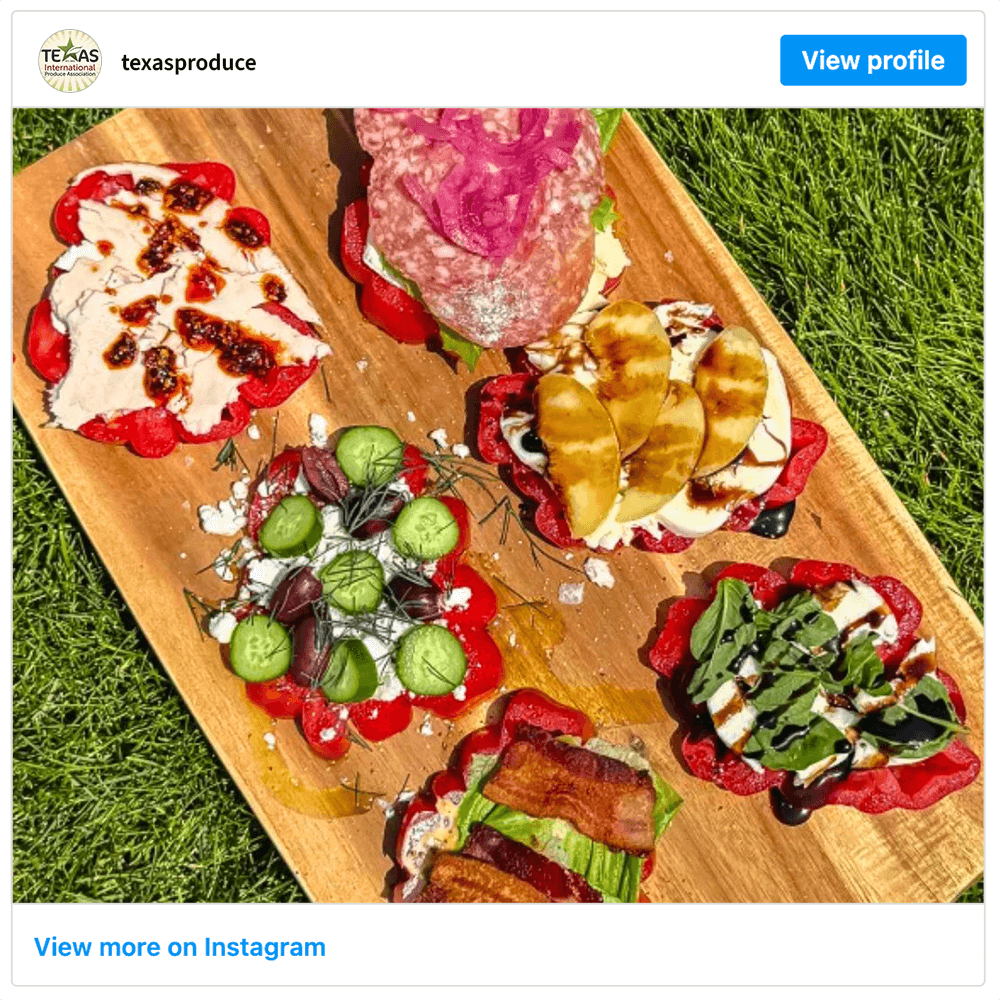







We're here for the Valencia orange wheel garnish...
This strategic ag practice fits right into the supplier’s playbook…
WASHINGTON - Equitable Food Initiative, the capacity-building and certification organization that partners with growers, farmworkers, and retailers, is intensifying efforts to combat heat-related illnesses among farmworkers by sharing its free, bilingual Sun & Heat Protection toolkit.
With field temperatures often exceeding 100°F during peak harvest months, farmworkers face heightened risks of heat stress, dehydration, and heatstroke. The National Institutes of Health (NIH) reports that heat-related mortality among agricultural workers is 35 times higher compared to other professions.
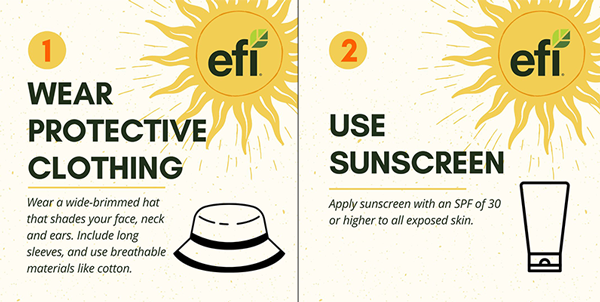
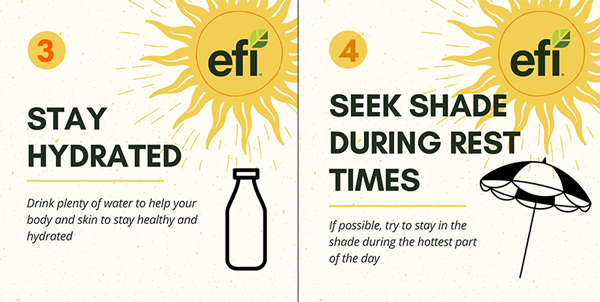
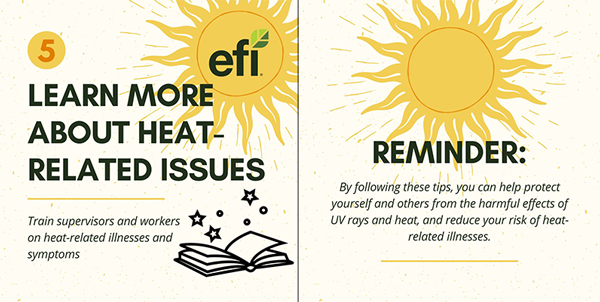
To address this pressing issue, EFI has developed a comprehensive Sun & Heat Protection toolkit, co-created with farmworkers, offering practical solutions and resources to enhance safety in the fields. The toolkit is free and includes:
- A Spanish-language video (with English subtitles) detailing symptoms of heat exhaustion, preventive measures, and what to do in case of overheating.
- Printable bilingual tip sheets to increase awareness of heat-related risks, safety measures, and symptoms.
- Printable bilingual flyers for communal areas to reinforce heat safety protocols.
- Curated statistics and external resources to support employer-led training initiatives.

“Education and voluntary compliance are vital when it comes to heat safety,” said Alexandra Martinez, EFI’s senior digital marketing and sales associate, in the recent release. “Farmworkers are particularly vulnerable to heat-related health risks, and we’re providing simple, executable steps that can help reduce illness and save lives.”
Workers performing strenuous work in temperatures above 95°F are at risk of heat stress, with heat-related injuries increasing for every degree rise in temperature, highlighting the significant economic and human costs of inadequate heat protection measures. This stark correlation highlights the urgent need for proactive safety protocols, especially in agriculture, where prolonged outdoor exposure intensifies the risk.
While states like California, Oregon, and Washington have enacted comprehensive heat protection standards, many regions lack such regulations, leaving millions of farmworkers vulnerable. EFI’s toolkit aims to bridge this gap by offering actionable resources that employers can implement regardless of local mandates.
Companies that prioritize worker well-being not only safeguard their employees but also enhance their operational efficiency. Forbes reports that organizations supporting wellness initiatives experience a 41% reduction in absenteeism and 59% less turnover, leading to a more stable and committed workforce. Furthermore, 89% of employees at such companies are more likely to recommend their employer as a good place to work, reflecting increased loyalty and satisfaction.
“By adopting comprehensive heat safety practices, employers can protect their workers and improve efficiencies while enhancing their reputation as employers of choice,” Martinez added. “It’s about fostering a positive and productive work environment where safety is paramount.”
For more information on EFI’s bilingual Sun & Heat Protection toolkit and to access the resources, visit here.
WASHINGTON, DC - The International Fresh Produce Association (IFPA) submitted updated policy recommendations to the Make America Healthy Again (MAHA) Commission, offering proven strategies to reduce diet-related diseases and improve public health nationwide.
In the letter addressed to Health and Human Services Secretary Robert F. Kennedy Jr., White House Domestic Policy Council Executive Director Vince Haley, and the MAHA Commission members, IFPA outlined 10 evidence-based recommendations that prioritize fruit and vegetable consumption as the cornerstone of national health policy, building on recommendations submitted earlier this year. The MAHA Commission, established by a February executive order, is charged with addressing childhood chronic disease and is expected to release its second report by Aug. 12.

"For too long, our nation has fallen short of consuming the recommended daily amounts of fruits and vegetables, resulting in serious public health consequences," IFPA CEO Cathy Burns said in a press release. "We appreciate the Commission engaging farmers and produce leaders, as we’re uniquely positioned to help drive solutions. Proven programs like the Supplemental Nutrition Program for Women, Infants, and Children (WIC) and the National School Lunch Program show that when access improves, consumption increases. Now is the time for a bold, coordinated strategy to put fruits and vegetables at the heart of our health policies — and IFPA is ready with actionable, evidence-based recommendations."

IFPA’s recommendations include:
- Embed Produce Prescriptions as a Covered Benefit within the Health System – IFPA advocates for incorporating produce prescriptions into federal healthcare programs, including Medicare, Medicaid, and the Department of Veterans Affairs, to support diet-related disease prevention and reduce healthcare costs.
- Enhance Nutrition Clarity in Food Labeling – IFPA calls on the U.S. Food and Drug Administration (FDA) to mandate transparent labeling for food products claiming fruit and vegetable content, enabling consumers to make informed dietary choices.
- Expand Financial Incentives for Fruit and Vegetable Purchases – IFPA proposes making fresh produce eligible for Health Savings Accounts (HSAs) and Flexible Savings Accounts (FSAs), along with a federal tax credit for purchases that align with the Dietary Guidelines for Americans (DGA).
- Expand the Fresh Fruit and Vegetable Program (FFVP) – IFPA recommends extending FFVP access to all elementary schools and eventually middle and high schools, helping students develop healthy eating habits early.
- Modernize USDA Purchasing Programs – IFPA calls for recalibrating U.S. Department of Agriculture (USDA) procurement strategies to include a broader range of fresh produce and increase distribution to underserved communities through nonprofit organizations.
- Increase Fruit and Vegetable Access for SNAP Recipients – Citing USDA research, IFPA suggests incentivizing produce purchases through the Supplemental Nutrition Assistance Program (SNAP) to help recipients meet dietary recommendations.
- Enhance Data Collection for Federal Nutrition Programs – IFPA supports a systematic approach to track and analyze federal feeding and nutrition program data, ensuring alignment with public health goals.
- Support Access to Safe Crop Protection Tools – IFPA urges the administration to strengthen product assessment and registration efforts within EPA’s Office of Pesticide Programs, ensuring fresh produce growers can access effective and safer technologies to protect crops against pests, weeds, and diseases.
- Invest in Specialty Crop Research and Innovation – IFPA recommends fully funding agricultural research programs that drive innovation in specialty crop production, pest management, mechanization, and plant breeding.
- Incentivize Regenerative Agriculture Practices – IFPA calls on policymakers to support voluntary, incentive-based programs that promote regenerative agriculture systems, enhancing soil health, biodiversity, water efficiency, and climate resilience while ensuring a stable, profitable, and sustainable fresh produce supply.
IFPA remains committed to working with the administration, policymakers, and industry partners to advance these priorities, creating a healthier, more resilient future for all Americans.
A tomato display highlights locally grown products...
Is celery de gallo the next trend in consumption?