
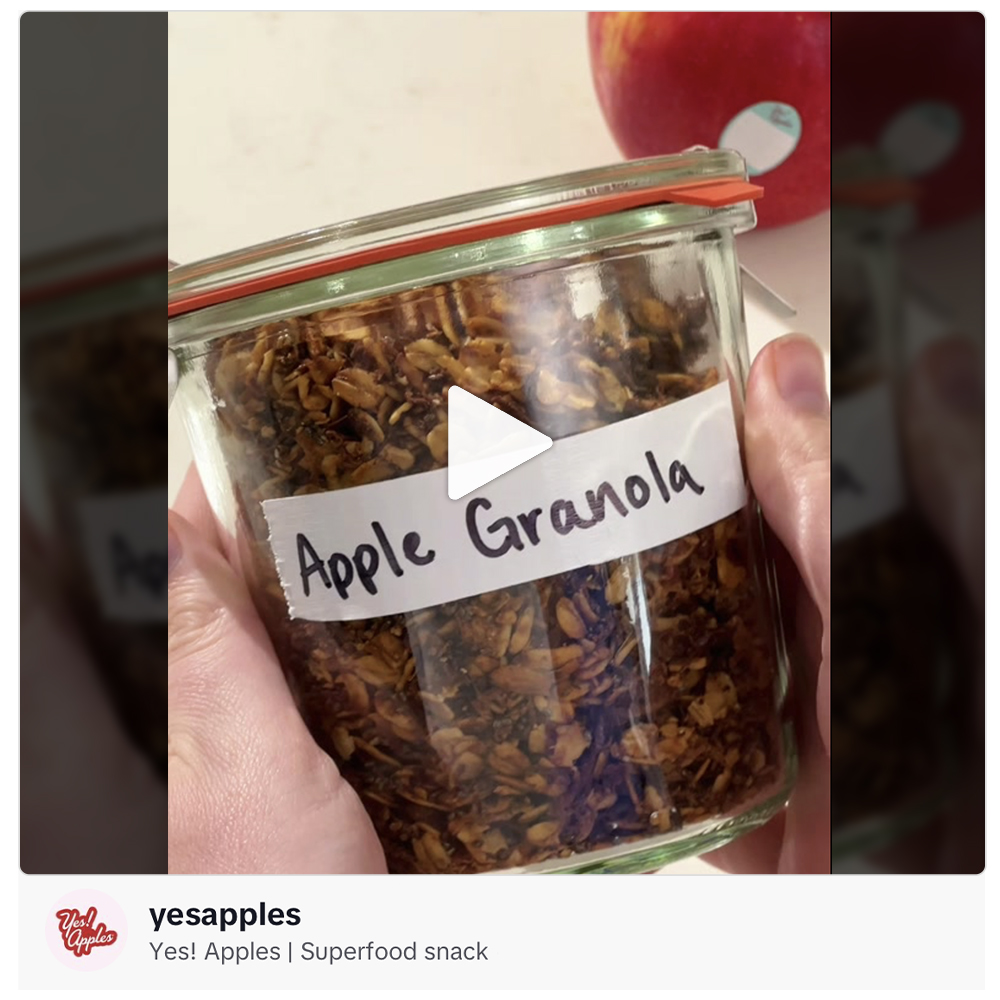
See this idea for integrating fresh apples into your breakfast...
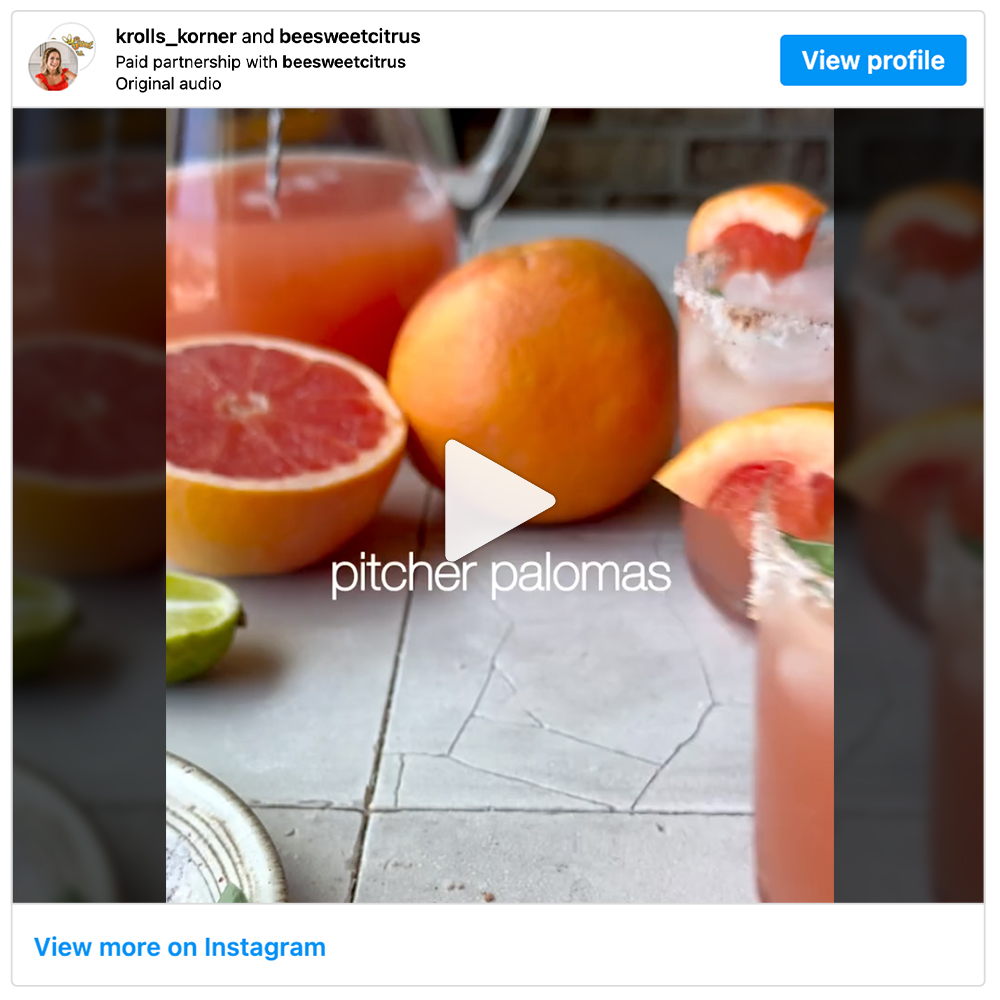
Chill out this summer with citrus!
|

















Email Vertical

Email horizontal


WASHINGTON - The U.S. Department of Agriculture (USDA) has imposed sanctions on four produce businesses for failing to meet contractual obligations to the sellers of produce they purchased and for failing to pay reparation awards issued under the Perishable Agricultural Commodities Act (PACA). These sanctions include suspending the businesses’ PACA licenses and barring the principal operators of the businesses from engaging in PACA-licensed business or other activities without USDA approval.
The following businesses and individuals are currently restricted from operating in the produce industry:
- Los Angeles Produce Distributors LLC, operating out of Los Angeles, Calif., for failing to pay a $121,453 award in favor of a Calif. seller. As of the issuance date of the reparation order, Matthew E. Clark and Sierra Nevada Produce LLC were listed as manager/members of the business.
- Fresh Start Healthy Meals Inc., operating out of Sylmar, Calif., for failing to pay a $34,872 award in favor of a Calif. seller. As of the issuance date of the reparation order, Veronica Alcaraz was listed as the officer, director and major stockholder of the business.
- The Choice Produce Inc., operating out of Vernon, Calif., for failing to pay a $32,348 award in favor of a Calif. seller. As of the issuance date of the reparation order, Ho Gill Kim and Brian K. Kim were listed as the officers, directors and/or major stockholders of the business.
- Forbidden Valley Fruit Co. LLC, operating out of McAllen, Texas, for failing to pay a $25,613 award in favor of a Calif. seller. As of the issuance date of the reparation order, Elias Banos, Jorge A. Celis Salas and Bruno Alfonso Romo were listed as manager/members of the business.
PACA provides an administrative forum to handle disputes involving produce transactions; this may result in USDA’s issuance of a reparation order that requires damages to be paid by those not meeting their contractual obligations in buying and selling fresh and frozen fruits and vegetables. USDA is required to suspend the license or impose sanctions on an unlicensed business that fails to pay PACA reparations awarded against it as well as impose restrictions against those principals determined to be responsibly connected to the business when the order is issued. Those individuals, including sole proprietors, partners, members, managers, officers, directors or major stockholders, may not be employed by or affiliated with any PACA licensee without USDA approval.
By issuing these penalties, USDA continues to enforce the prompt and full payment for produce while protecting the rights of sellers and buyers in the marketplace.
For more information, contact Penny Robinson-Landrigan, Chief, Dispute Resolution Branch, at (202) 720-2890 or [email protected].

FRESNO, CA - Consumers and retailers alike are gearing up for the start of the Central California melon season, which typically kicks off during the first week of July. Bringing Cantaloupes, Honeydews, and Golden Honeydews into the baskets of eager shoppers, Westside Produce/Classic Fruit Company is helping maximize demand among several demographics.

“We always say it begins in the fields with the right soil and climate, planting and picking the most flavorful varieties at peak season,” says Tara Monreal, Marketing Director. “Our program is very stable, based primarily on our customers, their needs, and our ability to most efficiently harvest the crop. Quality, sizing, and volume appear strong and stable relative to years past. Most of these characteristics are influenced by weather patterns and seasonal heat units. California weather typically normalizes in April and May with little rainfall and hot, dry days that make for optimal melon growing.”
The supplier is currently harvesting out of Yuma with exceptional quality and yields, with brix levels peaking high on the scale. In addition, the grower’s spring venture should be wrapping up by the end of June to ensure a smooth transition to Central California.
With this steady volume on the horizon, retailers can drive sales by taking advantage of supplies and consistency.
“With the peak domestic season here, there is no better time to promote melons than now. The utilization of promotions can help drive urgency and increase basket size. Especially in high-traffic areas, using large, eye-catching displays that highlight the melons themselves is super beneficial,” Tara notes. “As good as it is cut up on its own, I think oftentimes people don't realize how powerful an ingredient melon, especially Cantaloupe, can be and all of the ways it can be utilized. It can be put in salads, wrapped in prosciutto, served with ice cream, grilled on the BBQ, added in a smoothie or drink—the opportunities are endless!”

Educating consumers on the wide variety of uses for melons is one simple way to fuel momentum in the category.
“Showing customers all of the different ways it can be enjoyed and cross-merchandising it with other summer staples provides an excellent way to promote it in stores. Especially in the summer months when the weather warms up, finding new ways families can serve their kids fresh produce that is refreshing is always a plus! There truly is nothing more refreshing than a melon,” Tara emphasizes. “With consumers being more health-conscious and the growing demand for healthier options, it has been our goal to continue educating on the health benefits of melons. Melons have historically been known to be an older generation commodity, so creating new ways for all age groups to enjoy them, alongside educating them on the health benefits, is key!”
As more melon opportunities arise, ANUK will be here to share the latest industry updates.

MIAMI, FL - The Peruvian Asparagus Importers Association (PAIA) has released its 2025/2026 Fresh Asparagus Category Management Stats & Key Purchasing Trends Report.

“This annual report provides the fresh asparagus industry at large with the information necessary to enhance asparagus sales. Within the report, industry is equipped with statistics, trends, and marketing key purchasing trends that retailers and foodservice can use when planning their fresh asparagus activities and programs,” states Priscilla Lleras, Executive Director of PAIA.

“Imports supply the U.S. with the lion’s share of consumed fresh asparagus, generating over $646 million dollars of import value in 2024, according to USDA Department of Commerce. With trade deals in the U.S. headlines, these import values highlight the importance of bilateral trade and perpetuate trade advancement, especially when it drives results to economic growth throughout the United States,” says Carlos Solf of Southern Specialties and Co-Chairman of PAIA.
The report indicates that 37% of U.S. consumers purchased fresh asparagus in the past 12 months. It also notes that asparagus imports increased by 4.5 million pounds year over year, as stated by the USDA/Department of Commerce.

“Imports enable year-round availability of fresh asparagus for U.S. consumers. Without trade, the U.S. would struggle to meet the demand for asparagus throughout the year. Once consumers are informed about the nutritional value of fresh asparagus, retailers will see increased demand,” states Craig Rolandelli of Jacobs Malcom & Burtt (JMB) and Co-Chairman of PAIA.
“PAIA importers provide the U.S. market with various types of SKUs, including conventional and value-added solutions, which support year-round sales for both retailers and the commodity. The key purchasing trends offer retailers insights into increasing asparagus sales,” adds Lleras. “Our goal is to promote asparagus consumption and international trade. Retailers and the food service industry can connect with asparagus industry leaders via our PAIA website.”

The 2025/2026 Fresh Asparagus Category Management Stats & Key Purchasing Trends Report is available on the PAIA website at: https://peruvianasparagusimportersassociation.com/
In 2025, the association will focus on disseminating valuable information about fresh asparagus to industry trade press, retailers, and foodservice.
Email Vertical


WENATCHEE, WA - The wait is over! Skylar Rae® cherries, the world’s sweetest and crunchiest cherry variety, is back and better than ever. This season promises a high-quality, flavorful crop that’s firm, crisp, and bursting with natural sweetness. Thanks to ideal growing conditions, volume is up significantly over last year, giving retailers and consumers even more reason to celebrate.
Known for their striking golden-red blush skin and signature caramel glow, Skylar Rae® cherries are anything but ordinary. With Brix levels ranging from 23 to 27 at the time of harvest, these premium cherries deliver a one-of-a-kind eating experience that’s indulgent and refreshing.

"Skylar Rae® cherries are truly in a league of their own," said Bob Mast, President of CMI Orchards, in a recent press release. "Their texture is crisp, the flavor is explosively sweet, and their unique coloring makes them a standout on any shelf." “Once consumers have tasted a Skylar Rae cherry, they come back asking for them each year and they are willing to pay a premium for them, thus generating additional sales for the premium fruit category segment. “
Available for a limited time only, Skylar Rae® cherries are offered in multiple packaging options to support retail flexibility and impulse appeal. Packaging options include pouch bags, top seal, and clamshell containers. Two box shippers, which can be packed and shipped with any of our packaging options, are also available to drive in-store excitement, and customized marketing programs are offered to help retailers maximize sales and capitalize on the short season.

Bright, blushing, and beautiful, Skylar Rae® cherries are as visually stunning as they are irresistibly delicious. This variety is a rare treat, and with demand soaring, retailers are encouraged to promote them while they last.
For more information about Skylar Rae® cherries and availability, visit https://www.sweetskylarrae.com/.