




ST. PAUL, MI - National Co+op Grocers (NCG), a business services cooperative for retail food co-ops throughout the United States, announces it has offset 2,083.54 metric tons of carbon since 2024 through their partnership with ReSeed.
Prior to the partnership with ReSeed, NCG offset more than 10,000 metric tons of carbon emissions between 2012 — 2021 through a partnership with PUR Project to grow the Co+op Forest in Peru. After that project concluded, NCG began working with ReSeed, purchasing offsets in 2024 for 1,241 metric tons of emissions across 2022 and 2023. As NCG’s business has grown, so has the scope of the emissions it tracks and offsets, reflecting a broader commitment to addressing impacts across its operations. Carbon offsetting helps NCG meet the evolving needs of member co-ops while supporting growth in an environmentally regenerative manner.

NCG’s carbon emissions are calculated annually by looking at staff air travel and gas mileage, member co-op staff travel to required NCG conferences, meals associated with NCG events, utility use for the office headquarters, and estimated annual energy usage for NCG employees who work from home, based on U.S. Environmental Protection Agency (EPA) estimates.

“This work aligns with several of NCG’s advocacy priorities, including Climate Action,” said Allie Mentzer, Vice President of Advocacy and Sustainability at National Co+op Grocers, in the recent release. “By offsetting emissions associated with our business activities, we can further NCG’s mission to grow the cooperative grocery sector in an environmentally regenerative manner.“
ReSeed: Values-Aligned Climate Action
ReSeed works primarily with smallholder (family) farms in Brazil to lower the costs typically associated with carbon projects. Their projects support farmers who are the most affected by, and vulnerable to, climate disruption and those with the most potential to create a positive impact toward climate adaptation and mitigation.
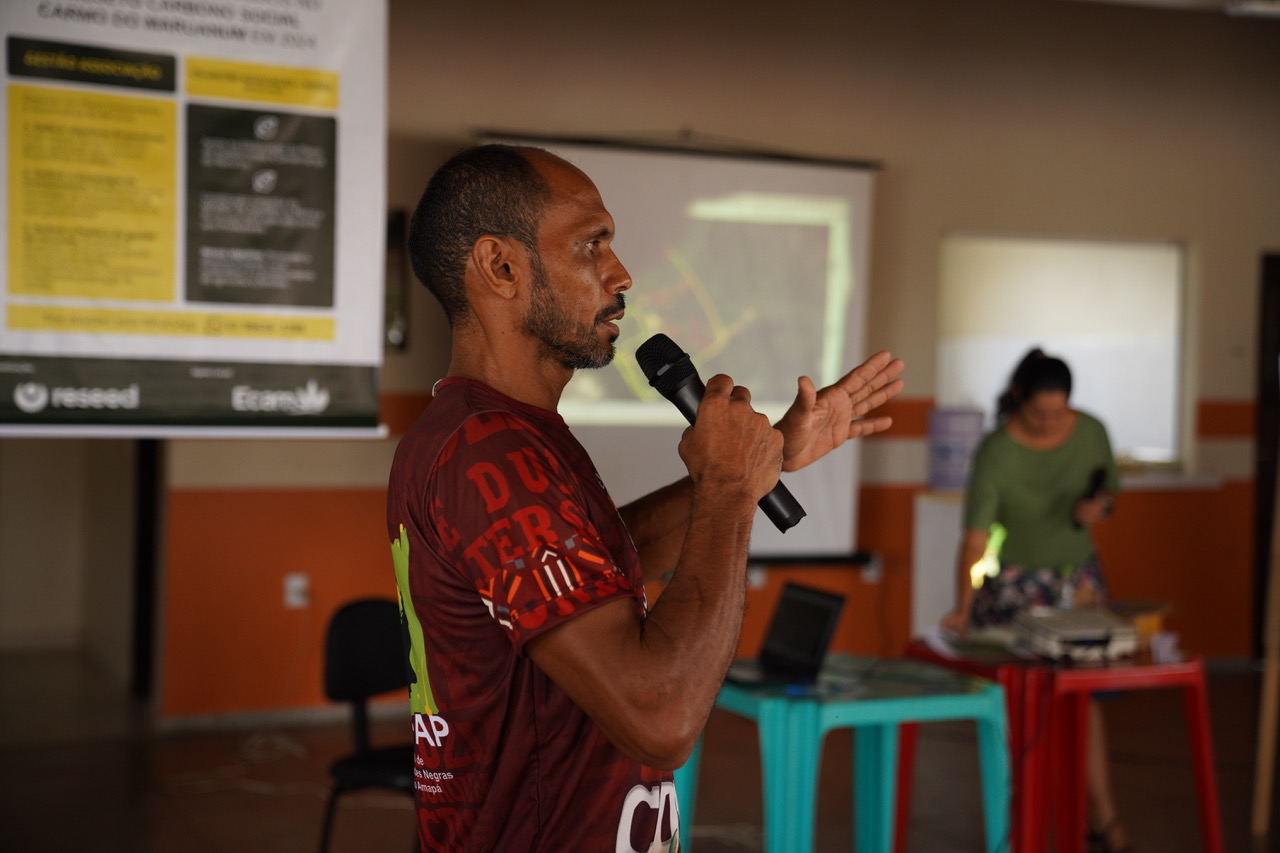
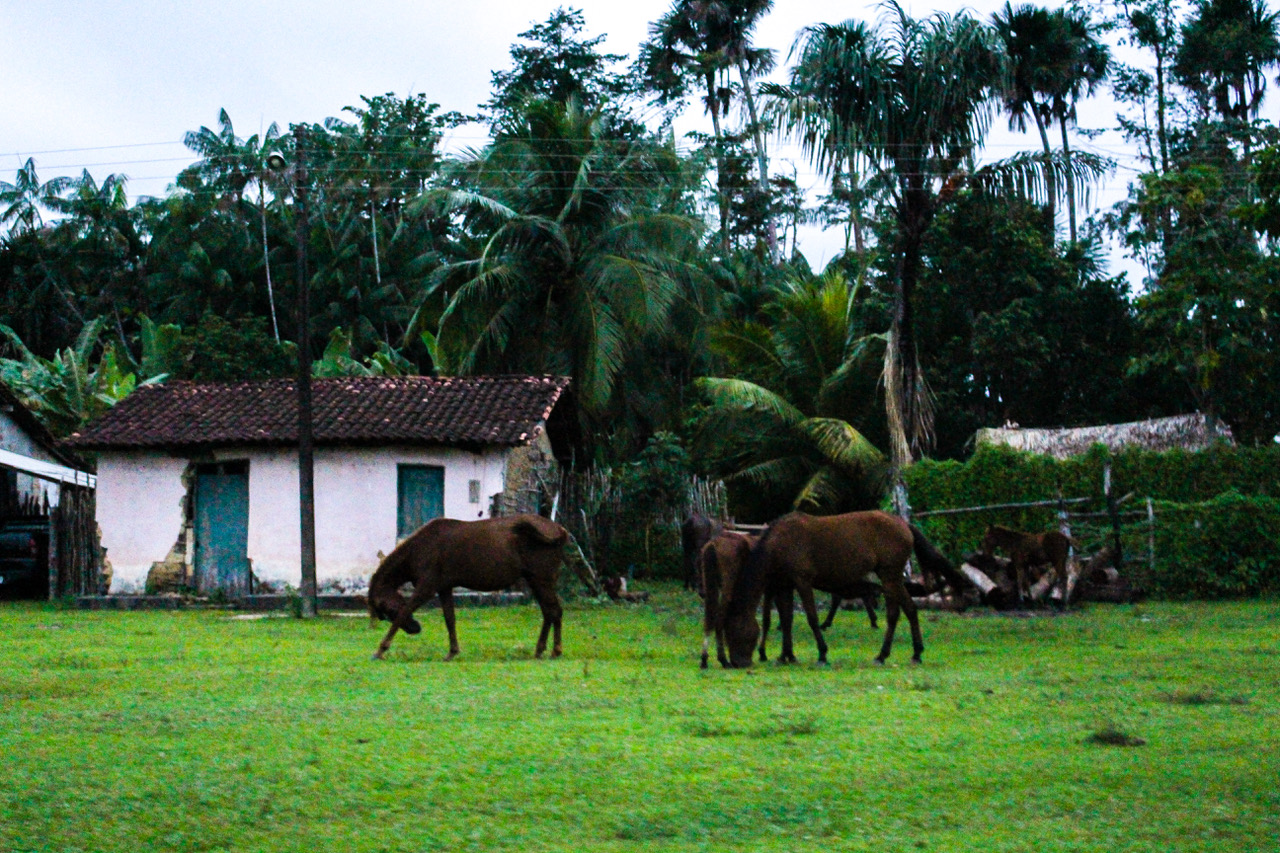
NCG’s emissions were offset by purchasing credits to go to farmers who are part of the Curiau Afro Brazilian Social Carbon Project in the Quilombola (kee-lon-boo-luh) community in Brazil, made up of 1,800 family members preserving 3,138 acres of forest in the Amazon. This coastal region serves as a massive natural shield against global warming and has a direct impact on changing weather patterns that affect the United States.
Known as a blue carbon sink, this unique coastal wetland ecosystem pulls carbon out of the atmosphere about 10 times faster than tropical forests and stores three to five times more carbon per acre than tropical forests.

ReSeed compensates Brazilian farmers so they can reject the sale of their land, maintain their traditional way of life, and continue to farm regeneratively. It’s estimated that less than 20% of the farmers.
ReSeed works with earn an income that can support their livelihoods. ReSeed aims to increase farmer incomes by 30 to 50 percent, enabling farmers to make ends meet and continue the essential work of protecting the land, carbon and biodiversity.
“NCG’s carbon offset purchase with ReSeed is not a charitable donation, but a service the company pays for,” said Mentzer. “By sequestering an amount of carbon equal to what NCG emits through a verified provider, we can make credible claims about our climate efforts in alignment with our organizational Ends, advocacy priorities, and role as a Certified B Corp.”