




















Email horizontal


|
GOODYEAR, AZ - Doubling down in a number of areas as experiments become exciting developments, Duncan Family Farms has much to look forward to in the coming months—as do current and potential buying partners.
I connected with Lauren Etchart, Sales and Marketing Specialist, on what additional variables are driving growth across Duncan's organic lineup.

"If we grow a product that interests a buyer, we are often able to work collaboratively to develop a pack format and program that fits their business. That combination of organic growing expertise, scale, flexibility, and distribution in Arizona, Oregon, and New York allows us to be a strong partner for retailers and foodservice customers looking for locally grown organic produce," she begins.
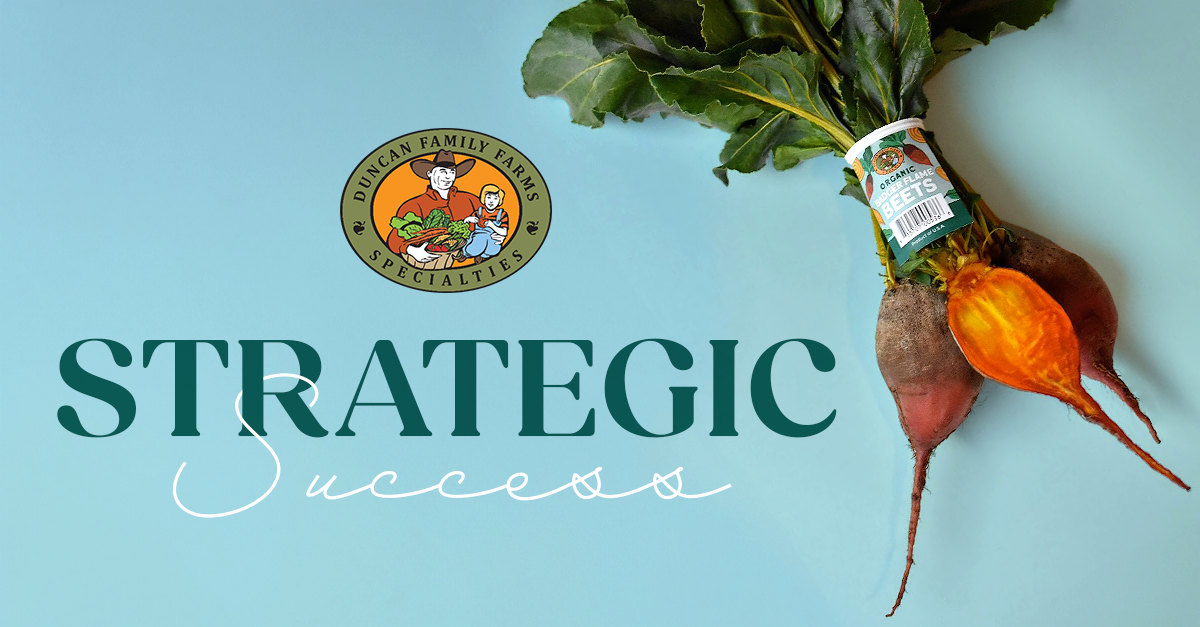
Duncan Family Farms' growth isn't limited to any one crop. Lauren highlights the company's Badger Flame Beet as a bright spot retailers should watch.

"We are seeing continued growth and recognition of our Badger Flame Beet, a unique specialty golden beet known for its exceptional sweetness. The variety is gaining traction with chefs and becoming increasingly sought after," she says. "Duncan Family Farms is one of the largest growers of Badger Flame Beets in the United States, and we are proud to bring this distinctive variety to a broader market."
The company's partnership continues to expand with strong retail banners as well, validating the steps it has taken strategically in the last few years.
"We are also expanding our acreage of organic iceberg, organic romaine hearts, organic red beets, and organic radishes for the second consecutive year in partnership with one of the largest retailers in the U.S, reflecting continued demand for high-quality organic produce across these categories," Lauren notes.

That kind of growth doesn't happen without infrastructure behind it, and I am directed to the company's retail-ready distribution program as a key piece.
"We are now in our third year of retail-ready distribution under Duncan Family Farms Specialties. This competency has significantly strengthened our ability to serve the regional market and has allowed us to expand our presence in the fresh herb and microgreens categories," she explains. "One of our greatest strengths as a grower is our ability to remain flexible and responsive to our customers' needs. We have the growing capabilities, infrastructure, and experience to accommodate a variety of pack formats and specifications."
AndNowUKnow will continue to report on this and other rising programs within the fresh produce industry.
ACONCAGUA VALLEY, CHILE - Chile’s Aconcagua Valley is an important production region for avocados, table grapes, citrus, cherries, and other fresh produce for markets around the world. But the long-term resilience of production in the region is increasingly under pressure.
Over the past 15 years, average flows in the Aconcagua River have been approximately 50% below historical levels, while groundwater levels have also continued to decline during this period.
Prolonged drought, higher temperatures, and growing competition for water are placing further pressure on the basin’s water resources and ecosystems. With agriculture accounting for around 74% of water demand in the basin, improving how water is managed on farms is an important part of strengthening the future of agriculture in the catchment.

These challenges cannot be addressed by individual growers or companies alone. This is the premise behind the WAVE Aconcagua Partnership, a market-driven initiative bringing together growers, international fresh produce exporters and importers, retailers, public institutions and technical partners to strengthen water stewardship, regenerative agriculture and climate resilience across the Valley.
The Partnership includes the value chain partners Dole, Nature’s Pride, Westfalia Fruit and Salling Group, alongside the Aconcagua Network, which brings together 15 growers. Collectively, these growers manage approximately 5,000 hectares of cultivated land and almost 11,000 hectares of conservation area across the Valley.
Rather than creating another standalone sustainability program, the Partnership provides a platform for companies and growers to collaborate pre-competitively on shared challenges. This includes improving water management and regenerative agricultural practices on farms, developing practical transition plans for growers, sharing knowledge about what works under different production conditions, and engaging with public institutions on hurdles that extend beyond individual farm boundaries.
In July, Partnership members came together in Chile for their annual field visit, providing an opportunity to see progress first-hand and jointly determine priorities for the next phase. The visit highlighted that growers in the Network are already testing and implementing a range of regenerative agriculture and water-management approaches. To support this transition, the Partnership has developed a Regenerative Agriculture Guide and a monitoring framework, which will inform the development of tailored transition plans for participating farms. Water footprint assessments complement this work by helping growers to identify inefficiencies and informing improvements in irrigation and farm management.
Farm visits demonstrated how growers are adapting their production systems to increasingly challenging conditions and experimenting with practices that can improve soil health, biodiversity, water efficiency and overall farm resilience. For example, one grower is trialing nano-drip irrigation, which uses more frequent, lower-volume irrigation to improve soil moisture while reducing water and energy use. At the same time, field discussions highlighted that action on individual farms, while essential, needs to be complemented by collaboration across the wider catchment.

The discussions reinforced the value of coordinated private-sector action in strengthening farm-level efforts. They also highlighted the importance of engaging strategically with water authorities and other stakeholder groups whose decisions shape water management across the Valley. One example is the participation of the Partnership in the ‘mesa hídrica’ or water roundtable of Aconcagua. These exchanges help connect farm-level experience with catchment-level decision-making, while creating opportunities and channels to share knowledge and explore how evidence generated through the Partnership can support more informed and coordinated action at catchment level.
The Partnership is now moving towards a stronger implementation phase. The coming phase will focus on turning farm assessments and lessons from existing pilots into clear priorities for each grower, while strengthening shared monitoring and expanding collaboration on water stewardship beyond individual farms.
For companies sourcing fruit from Aconcagua, collective action offers an opportunity to strengthen the resilience of an important sourcing region while supporting growers more effectively. By pooling knowledge, relationships and resources, companies can reduce effort duplication, direct investment towards locally identified priorities and address risks that no single business can solve on its own.
For the wider fresh produce industry, Aconcagua offers a practical example of how growers, buyers and other stakeholders can move beyond individual sustainability programs towards coordinated action on shared water and climate challenges at catchment level.
COATESVILLE, PA - Lambert Spawn, one of America's longest-standing and most trusted mushroom spawn producers, is announcing the launch of its refreshed brand identity and new name “Lambert”. The new look reflects the company's continued evolution while honoring the expertise, customer relationships, and values that have defined Lambert for generations. Anchored by the tagline, "Built on Heritage, Powering Performance," the refreshed brand celebrates that legacy while reinforcing Lambert's focus on innovation and the future of mushroom cultivation.
The rebrand includes a modernized logo, updated visual identity, and refreshed brand experience designed to better represent the company's vision for the future. While the appearance has changed, Lambert's mission remains the same: delivering innovative spawn solutions, exceptional quality, and trusted service to growers around the world.

"Our new brand reflects who we are today while staying true to the principles that have guided Lambert Spawn for decades," said Scott McIntyre, vice president of commercial at Lambert, in the recent release. "This is more than a new logo - it's a renewed commitment to our customers, our industry, and the future of mushroom cultivation. It's the same great company, the same values and the same dedication to excellence, with a bold new look."
Since its founding, Lambert has built its reputation on innovation, consistency, and strong partnerships with growers. The updated brand identity honors that heritage while positioning the company for continued growth and leadership in the global mushroom industry.
Customers can expect the same products, the same experienced team, and the same unwavering commitment to quality and service throughout the transition. The refreshed branding will be rolled out across the company's website, digital assets, and marketing materials in the coming weeks.

"This rebrand represents our confidence in the future while respecting the legacy that brought us here," said Scott. "As our business continues to evolve, our promise remains unchanged: helping our customers succeed through quality, innovation, and trusted partnerships."
SPRINGDALE, AR - If we all see fresh produce the way Tamra Barnes does, work will hold true joy and inspiration for years to come. That love of the industry is exactly what drew the Produce Manager for Harps Food Stores to Southeast Produce Council's 2026 STEP-UPP retail roster.

“What drew me to produce was having the ability to provide beautiful, fresh, clean, and safe produce to my community and give them many options to choose from. It is my canvas, and I’m the artist!” Tamra told me. “STEP-UPP has given me the tools and knowledge to bring back and share with not only my peers but my customers as well.”
It’s no secret that our industry is navigating an experience gap and working to ensure crucial inside knowledge is passed to tomorrow’s leaders. STEP-UPP’s in-depth program balances in-person relationship-building both with peers on the buy-side and SEPC members on the supply-side, along with online education between meetups.

“The education component of STEP-UPP has given me a better understanding of the produce industry and just how important every part of the process is from seed to table,” Tamra reflected. “Everyone has to work together to make it work. STEP-UPP has given me more confidence in my abilities as a produce manager. I have more knowledge and tools to make better decisions and lead not only my department more effectively but lead better outside of the department as well.”
I can easily picture the confidence boost of the understanding and partnerships cultivated by the program. When I got a brief glimpse joining the crew for their class dinner and facility tours in Miami this summer, I did not see a disjointed group of professionals—I saw a playful, familial group that was balancing a good time with curiosity. Looking back on the experience, I wondered if any particular lesson stood out for Tamra.
“I don’t think I can say just one lesson or one experience stuck with me more than the others,” she said. “No matter where we were or what we were doing that day, everyone went above and beyond to give us the best experience possible. Even though we may have forgotten a time or two! We did what we do best in produce: PIVOT. No day is ever the same, but it's what we do with it that makes a difference. I will say driving the tree shaker machine was a highlight of my day!”

Hearing that, I was definitely jealous and ready to see such a tour in action. I can promise it would absolutely leave a lasting impression on me and my future experiences with the category, too.
As graduation approaches at SEPC’s Southern Innovations, I certainly am ready to see what is next for Tamra on her produce journey.
“What’s next, you ask? I am currently working towards a Regional Supervisor position. But in the meantime, I am using all the resources I have learned during this program to help my peers be the best produce leaders they can be, while always continuing to improve myself,” she shared.
It’s the perfect next chapter for this up-and-coming industry advocate as she prepares to cross the stage in Nashville, Tennessee, in September.
SEATTLE, WA - I was wandering the Seattle Underground when I learned that the city’s first metropolitan area was almost completely leveled by fire in 1889. A story below: the streets and buildings of that chapter still stand, but above was the start of many new stories. For Erika Frayser and her family, it was the start of a business that has shaped and reshaped itself with the times.
Introducing me to Seattle-Tacoma Box Company, Erika tells a tale of flexibility, ingenuity, and adaptability. Today, she points to educating the consumer as the gateway to return on strategic sustainability.

“Understanding the value associated with the PP carton allows end users to glean a rebate from recycling the product. These cartons are in a large percentage of all grocery stores, distributors, and repackers across America, yet oftentimes buyers aren't aware of the cartons within the system,” she tells me from the Department of Operational Excellence. “It’s important for the produce department and those on the distribution end to have access to this information.”
As such, Erika shares that sharing resources and helping retailers and boots on the ground serving the end consumer is a key priority to closing the loop on recyclable packs falling into the trash.

“With a growing awareness by our customer base, we have been able to make introductions and have educational discussions with many of the end users that process these cartons through their system. Once we are in contact, we share an evaluation tool we built that is based on individual commodities and how many bales a given location would generate per month based on purchase volume. This is an eye-opening tool for many end users,” Erika explains. “We aren't simply claiming to have a recyclable product; we have done the work to establish a solution. We have a viable and growing recycling program that supports the entities within the supply chain with their circular goals.”
Erika is the latest generation of a family that has built a long-standing legacy on answering demand and closing gaps, first locally, then regionally, and now nationally. In discussing the journey to today’s sustainable offerings, she observes the necessary cycle to ensure the strength of the system.

“Sustainability takes the entire supply chain coming together towards a common goal of waste reduction. All cogs of the wheel need to be aware of their role and how to properly handle the product that they are processing. This product was built on providing a sustainable solution for wax corrugated cartons, while building the recycling program to support the product continues with the theme of solving customer challenges,” Erika concludes.
From a single Seattle warehouse to a national recycling program, the Nist family's answer to closing gaps has only strengthened with each generation. As we watch for the next exciting step, continue to follow AndNowUKnow.


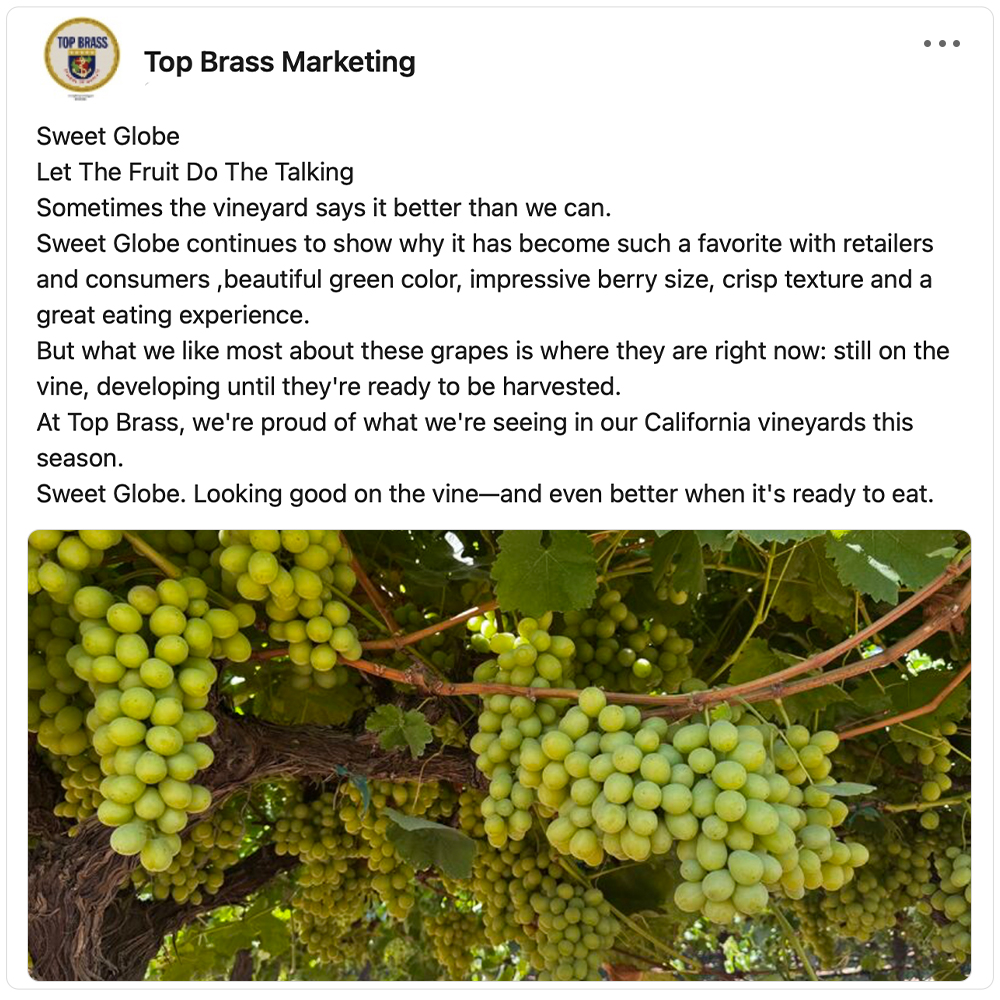
Like sparkling gems...