
Thu. September 10th, 2026 - by ANUK Staff

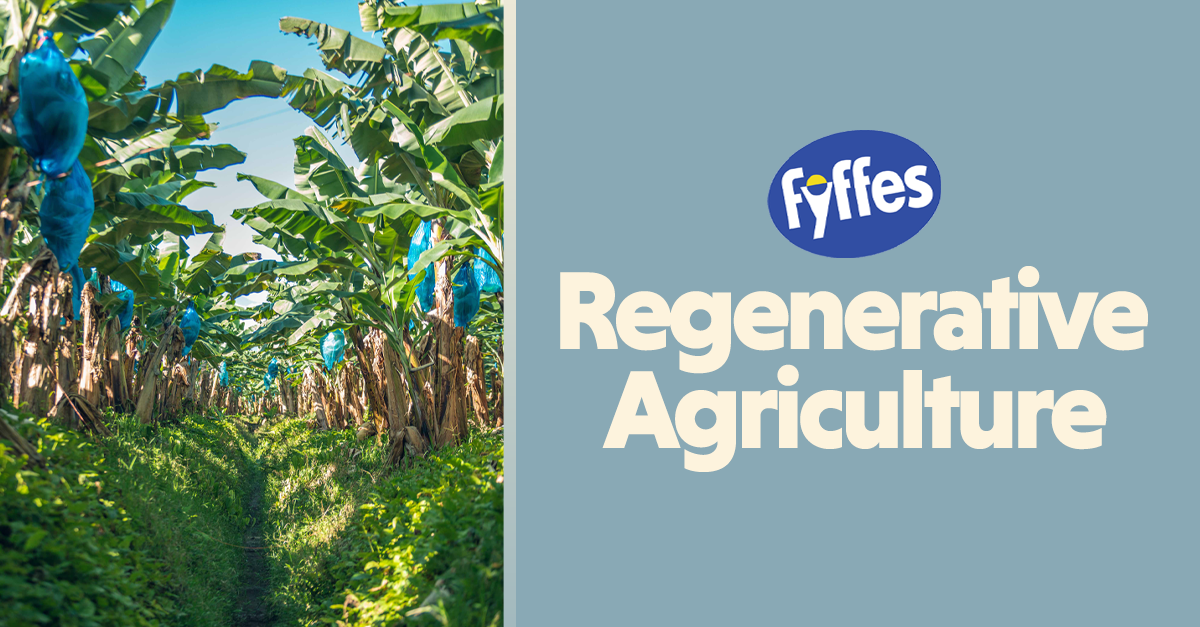
IRELAND - Fyffes, one of the world's leading tropical fruit companies, has launched its Regenerative Agriculture Framework, setting out an ambitious roadmap to integrate regenerative agriculture practices across 13,000 hectares of banana and pineapple farms by 2030 and extend proven approaches throughout its supply chain by 2035.

The new Framework reflects Fyffes' commitment to strengthening the long-term sustainability and resilience of tropical fruit production through a science-based, grower-centered approach focused on improving soil health, enhancing biodiversity, optimizing water management, reducing agrochemical dependency and addressing climate change impacts. Progress will be tracked through a robust Measurement, Reporting and Verification (MRV) system, providing transparent and measurable outcomes across five key impact areas.

Fyffes, one of the world's leading tropical fruit companies, has launched its Regenerative Agriculture Framework, setting out an ambitious roadmap to integrate regenerative agriculture practices

Developed in collaboration with growers and agricultural experts, the Framework recognizes the unique challenges and opportunities associated with banana and pineapple production and provides a practical roadmap for implementing regenerative practices that protect both productivity and fruit quality while strengthening environmental performance.

As part of its long-term ambition, Fyffes aims to achieve 100% integration of the framework across its owned banana and pineapple farms by 2030 and to bring approximately 40% of fruit volume from key supplier operations under regenerative agriculture practices by 2035 through targeted capacity-building and knowledge sharing.

For customers, the initiative represents an important investment in the future resilience of tropical fruit supply chains. Banana and pineapple production increasingly faces challenges from climate change, extreme weather events, water stress, and evolving sustainability expectations. By improving soil functionality, biodiversity, water retention, and ecosystem health, regenerative practices can help farming systems become more resilient to environmental pressures while maintaining long-term productivity and quality.

The framework is designed to deliver tangible value for retailers, wholesalers and foodservice customers by supporting more resilient production systems, strengthening supply chain security, enhancing transparency through measurable sustainability data and helping customers meet growing consumer and regulatory expectations around responsible sourcing. The framework specifically identifies a more resilient supply chain as a key benefit for retail partners.

Sheila Morrison, Chief Supply Officer, Fyffes

Sheila Morrison, Chief Supply Officer at Fyffes, said in the recent release: "The future success of the banana and pineapple industries depends on our ability to build resilience into the farming systems that support them. Through our Regenerative Agriculture Framework, we are investing in practices that strengthen soil health, improve water management and enhance biodiversity while maintaining productive, profitable farms."

"For our customers, this is about more than environmental stewardship. It is about supporting a more resilient and reliable supply chain that can better withstand climate-related challenges and continue delivering high-quality fruit for consumers in the years ahead. By scaling regenerative agriculture across our operations and supplier network, we are helping create long-term value for growers, customers and the wider food system."

The Framework recognizes the unique challenges and opportunities associated with banana and pineapple production and provides a practical roadmap for implementing regenerative practices

Fyffes has already begun implementing regenerative agriculture initiatives across its owned operations, building on existing programs focused on soil health management, biodiversity enhancement and water stewardship. The new framework provides a structured pathway to scale these efforts, validate outcomes and share proven practices more widely across the company's supply chain.

Fyffes is also already working successfully with some customers on joint regenerative agriculture projects as well as via the Fairtrade certification, where the premium has been invested in regenerative agriculture initiatives in some countries.

The launch forms part of Fyffes' broader sustainability strategy and its commitment to strengthening the future of tropical fruit production through practical, measurable actions that benefit growers, customers, communities and the environment. By strengthening the resilience of farms today, Fyffes aims to help secure the long-term supply of high-quality bananas and pineapples for future generations.

Thu. September 10th, 2026 - by ANUK Staff

NASHVILLE, TN - The Southeast Produce Council (SEPC) unveiled its sixth annual What’s New? 2026 consumer research during a packed educational session at Southern Innovations. The session featured an interactive format, with the study’s author, Anne-Marie Roerink of 210 Analytics, presenting the four trends, each followed by lively table discussions among attendees. Retailers, grower/shippers and other industry leaders explored the results together, sharing insights and perspectives for a full 360-degree view of what’s next for fresh produce.

Consumers are navigating tighter budgets, new health priorities and an increasingly digital decision-making environment. Additionally, Millennials are poised to overtake Boomers as the dominant share of produce spending within two years, bringing new ways of planning, shopping and preparation.

David Sherrod, President and Chief Executive Officer, Southeast Produce Council

“Fresh produce remains important to all consumers, but a growing number are recalibrating their fruit and vegetable purchases,” said David Sherrod, President and CEO of the SEPC, in the recent release. “Consumers are looking to us to provide solutions that make fresh produce fit effortlessly into their daily routines, whether that is a budget, GLP-1, or kid-friendly diet.”

Key findings from the study include:


Financial pressure is changing how consumers shop produce

Fresh produce continues to generate significant dollar sales, but consumers are making increasingly deliberate decisions about where and how they spend, pressuring overall unit and volume growth.

  • While 49% say produce feels expensive but is worth the price, 16% of financially-struggling consumers describe fresh produce as a luxury.
  • Consumers are responding with a range of value-seeking behaviors. Nearly half report buying smaller quantities, while others are switching to cheaper varieties, moving between fresh, frozen, and canned formats, shopping multiple stores, and prioritizing promotional items.
  • 81% say they choose sale items over planned or routine produce purchases at least sometimes.
  • At the same time, produce remains an important priority. When consumers unexpectedly have $20 available for groceries, fresh fruits and vegetables are the most common spending choice, selected by 27%, ahead of meat and poultry at 24%.

GLP-1 medications create a new opportunity for produce

GLP-1 medications are becoming an increasingly influential force in grocery shopping and food consumption. The study finds that 18.1% of U.S. consumers currently use a GLP-1 medication, with usage particularly concentrated among higher-income consumers, ages 29 to 50 in urban and suburban areas.

  • The implications for food shopping are substantial. GLP-1 consumers report eating less overall, eating smaller portions, but more meals, and making more deliberate food choices.
  • Nearly half say they are intentionally eating more fresh fruits and vegetables.
  • The research also points to an opportunity for retailers and produce suppliers to become resources for GLP-1 consumers. Eighty-nine percent of GLP-1 consumers seek advice on what to eat while taking the medication, and 86% say more in-store information about GLP-1-friendly fruits and vegetables would influence their consumption.
  • Consumers express interest in GLP-1-friendly meal stations, recipes, high-protein meal ideas, smaller portions, ready-to-eat produce snacks, and nutrition information.
The Southeast Produce Council (SEPC) unveiled its sixth annual What’s New? 2026 consumer research during a packed educational session at Southern Innovations

The center of gravity is shifting to younger consumers

Boomers remain the largest generation by produce spending today, accounting for 33.5% of produce dollars (source: Circana).

  • However, the growth picture is dramatically different: Gen Z produce spending is up 25.4% year over year, compared with 3.4% for Millennials, 3.3% for Gen X, and just 0.2% for Boomers.
  • Based on current growth patterns, Millennials are likely to become the largest generation by share of produce spending within the next two years.
  • Younger consumers also approach produce differently. They are more likely to view fresh produce as the foundation of a meal or a convenient snack, love global dishes, and rely on hybrid meals.
  • Social media and digital platforms play a larger role in influencing what they cook and purchase.
  • They are more likely to shop for fresh produce in the mass, club, specialty, and online channels.
  • Gen Z and Millennials are also more likely to purchase value-added and organic produce and leverage AI in researching recipes, nutrition, meal plans, and even shopping.

AI is moving from experimentation into the food journey

Artificial intelligence is quickly becoming part of consumers’ food decision-making.

  • 82% of produce consumers regularly use at least one type of AI, with younger consumers tending to use multiple AI platforms.
  • Food is already a major application. Seventy-seven percent of AI users have turned to AI for food-related information, inspiration, planning or shopping. Recipes, meal planning, grocery lists and cooking techniques are among the most common uses.
  • The study found that AI has also become another path into produce discovery. Consumers envision using AI for meal planning, recipes based on what is already at home, budget-friendly meal ideas, recipes based on promotions, and personalized nutrition guidance.
  • They also express interest in technologies such as freshness sensors and nutrient-density scanners in the produce department.
  • However, consumers also have reservations about AI-generated grocery and produce marketing, particularly concerns about authenticity, misinformation, and pricing accuracy.
The session featured an interactive format, with the study’s author, Anne-Marie Roerink of 210 Analytics, presenting the four trends, each followed by lively table discussions among attendees

The future opportunity: relevance, value, and usefulness

Taken together, the study points to an industry operating in an environment where volatility is becoming the norm. Consumers continue to want fresh produce, but their expectations are evolving. “Consumers are asking us to solve different problems,” said Sherrod, “help me stretch my budget, help me eat better, what is GLP-1 friendly, help me figure out what to make tonight and increasingly, help me navigate an enormous amount of information. Those are opportunities for the fresh produce industry.”

The online study among 1,500 consumers plus an additional sample of 150 verified GLP-1 medication users was conducted and presented by 210 Analytics. The study was fielded in August, 2026. A complete copy of the findings can be requested by contacting Anna Burch at SEPC.


Which way did the USDA come down on this GA-based company for allegedly failing to pay over 1.9M to produce sellers?
And Now U Know - Fresh Produce Industry News

morning EDITION — 9/10/2026

Lipman Family Farms

Lipman Family Farms Bringing decades of know-how to this event, the grower continues building on a strong foundation. Amy Holcomb and Elyse Lipman comment… View

Lipman Family Farms

Lipman Family Farms Bringing decades of know-how to this event, the grower continues building on a strong foundation. Amy Holcomb and Elyse Lipman comment… View


Index Fresh Avocados - The Industry Just Got Bigger
Index Fresh - Southern Innovations Booth Number 549

Melissa’s Produce Summer may be winding down, but fig season isn’t finished yet as the supplier brings plenty of variety into the fall transition... View

Index Fresh Avocados - We Stay Focused

BLOOM FRESH With its sights set on the next chapter, the company reshapes its leadership team with two appointments... View

Visit us at GPFS Booth 1243

Hapco Farms - Maine Broccoli

Crawford Packaging Putting down deeper roots in the U.S., the provider opens the doors to its latest facility... View

Hapco Farms - Maine Broccoli

PACA Which way did the USDA come down on this GA-based company for allegedly failing to pay over 1.9M to produce sellers? View

Grow Your Category with Tribelli Seedless

Grow Your Category with Tribelli Seedless

Grow Your Category with Tribelli Seedless

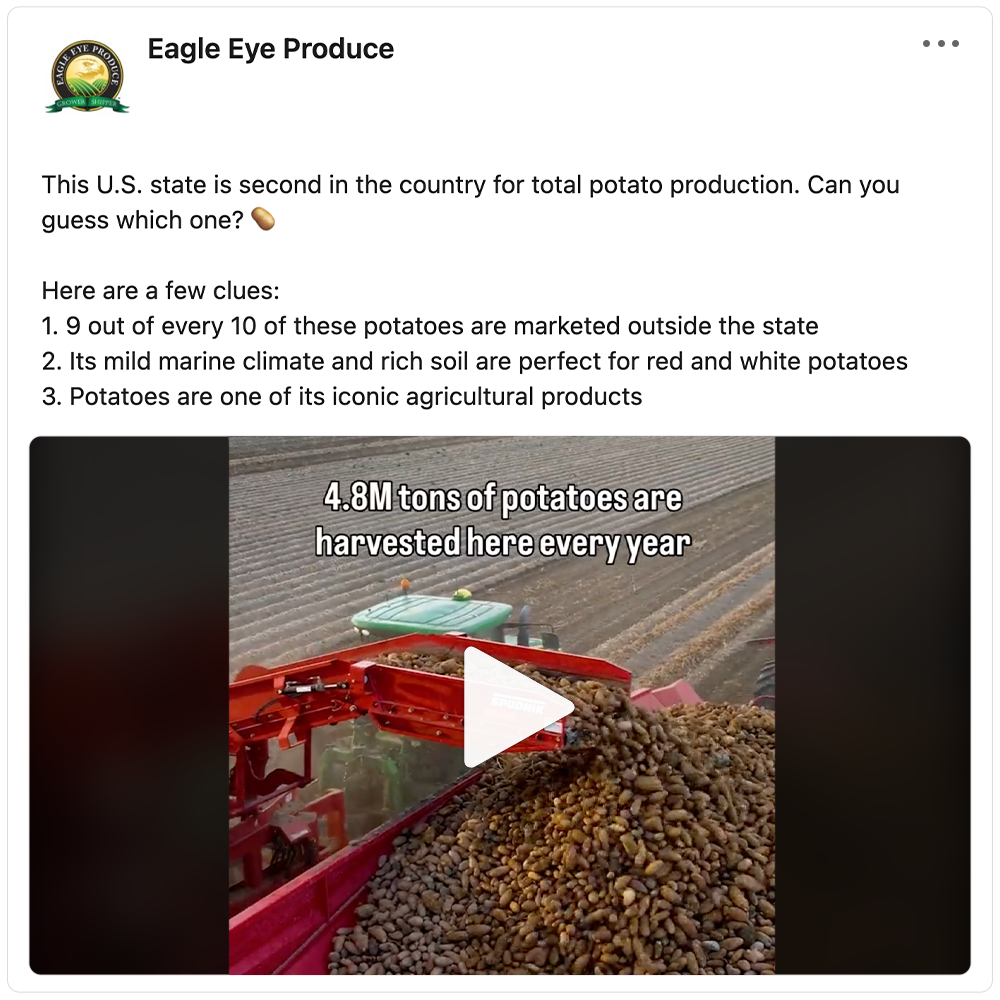
Top of quote bubble Get social with  Eagle Eye Produce | September 10, 2026 5:00 AM Bottom of quote bubble

Allen Lund Company - Celebrating 50 Years - Connect with us at The Global Produce and Floral Show - Booth 3733

Samsons Grapes

Joe's Produce

Retail Account Manager - #36e4S

Joe Produce Search has been engaged to recruit for a successful, established organization serving leading retail customers and is seeking a highly capable Retail Account Manager to join its Los Angeles area team.

View Job

More jobs from Joe's Produce

Confidential

Controller, Plant & Manufacturing Operations - Confidential #7c81

Monterey County, CA Produce company looking to hire a Controller, Plant & Manufacturing Operations.

View Job


Taylor Farms, Inc. - Salinas

Shop Mechanic

Taylor Farms, Inc.-Salinas is looking to hire a Shop Mechanic in El Centro / Yuma Region.

View Job


Confidential

Agronomist / Grower Relations - #1e58S

Joe Produce Search has partnered exclusively with Baloian Farms to identify an experienced Agronomist / Grower Relations professional in the California Central Valley (Fresno area preferred).

View Job


Always Fresh Farms

Quality Control Lead

Always Fresh Farms is looking to hire a Quality Control Lead in Plant City, FL.

View Job


Volm Companies - Eco-Friendly Packaging - PCR Packaging

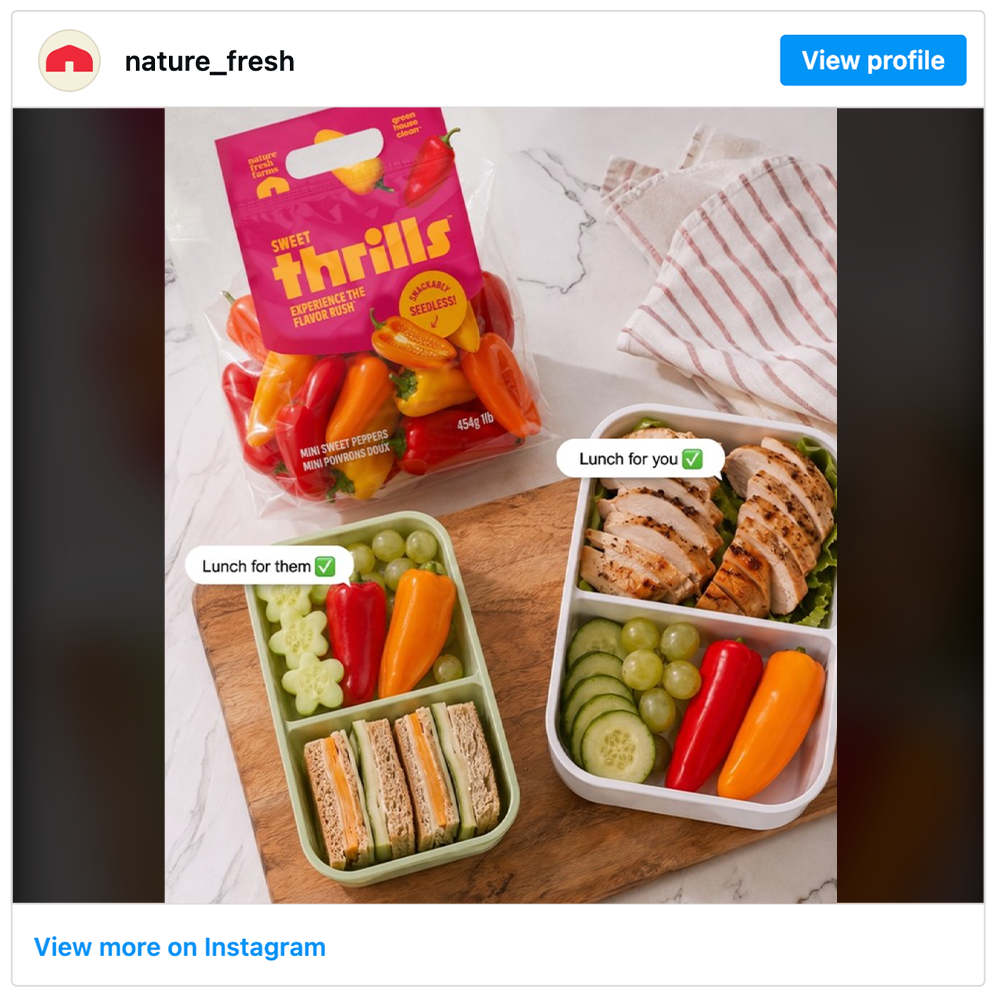
Top of quote bubble Get social with Nature Fresh Farms | September 10, 2026 5:00 AM Bottom of quote bubble


GR Fresh - Think Fresh  Choose Fresh

AndNowUKnow

Fresh Produce Industry News

2005 Capitol Ave.
Sacramento, CA
95811
(916) 346 - 4511

Editorial: [email protected]

Advertising: [email protected]

Submit a Press Releases

Contact Us Form: Email

Connect With Us:


bottom footer image